Which Collaborations Depreciate Fastest
| Original use | Athletic performance or lifestyle fashion |
|---|
Origin and history
The analysis of which collaborative sneaker releases depreciate fastest originated in online sneaker resale communities in North America during the late 2010s. This framework emerged as a direct response to the rapid growth of the sneaker resale market, where certain high-profile collaborations failed to retain their initial purchase value. Enthusiasts and resellers began systematically tracking post-release price data on platforms like StockX and GOAT to identify consistent patterns of value loss. The practice evolved from anecdotal observation into a more structured analysis, focusing on specific design and release factors that influence long-term demand. It is not attributed to a single individual but rather developed as a collective methodology within the digital resale ecosystem. This analytical perspective has since become a standard consideration for both speculative resellers and collecting purists when evaluating new collaboration announcements.
What it is for
This analytical framework is used to assess the investment risk and long-term collectible value of collaborative sneaker releases prior to purchase. Its primary function is to inform buyers, particularly those operating in the secondary resale market, about which collaborations are likely to lose significant monetary value shortly after the initial release hype diminishes. The analysis helps in distinguishing between collaborations that have enduring cultural or design appeal and those that are primarily driven by transient marketing. Collectors utilize this understanding to avoid overpaying on the resale market for pairs that will become more accessible later. It also serves designers and brands as an informal barometer of market saturation and consumer sentiment toward certain partnership types. Ultimately, it provides a set of observed principles to guide acquisition strategy, separating hype from lasting value.
Pros and cons
A major pro of this analysis is that it can prevent significant financial loss for speculators who misjudge the market demand for a collaborative product, based on historical patterns rather than emotion. It encourages a more disciplined approach to collecting by highlighting design elements and release strategies that often lead to market oversaturation. A significant con, however, is that an over-reliance on depreciation metrics can cause collectors to overlook personally meaningful pairs or groundbreaking designs that simply lack mass-market appeal. The most common mistake is applying the framework too rigidly, treating past outcomes as absolute future guarantees and missing out on collaborations that defy established trends. Many who regret using it are purist collectors who find their tastes overly influenced by resale value rather than genuine appreciation for the design. Conversely, those who ignore it often regret paying steep resale premiums for collaborations that become readily available for retail price or less within a few months.
Who it suits
This framework best suits speculative resellers and investors whose primary goal is to allocate capital to sneaker collaborations with the highest potential for profit retention or appreciation. It is also highly useful for novice collectors operating with a limited budget, as it helps them avoid the most volatile and risky segments of the market. Casual wearers who desire collaborative styles but are patient can use this knowledge to identify which pairs they can likely acquire for retail or below after a short waiting period. It does not suit purist collectors or archivists whose acquisitions are driven solely by personal aesthetic passion or historical significance, as financial depreciation is irrelevant to their goals. Analysts and journalists covering sneaker culture and market trends also find this framework a necessary tool for providing grounded commentary beyond promotional hype. Finally, it serves brand strategists and designers who need to understand the long-term market reception of their collaborative efforts beyond launch-day sell-outs.
Latest Which Collaborations Depreciate Fastest news
Latest reporting

Adidas Unveils Seven New Sneaker Releases for Late September
Adidas launches seven new sneaker styles, including collaborations with Bad Bunny and Pokémon, plus new colorways for terrace and performance models...

Adidas Releases Seven Sneakers Including Simone Rocha
Adidas has released seven new sneaker styles this week, featuring collaborations with Larry June and Simone Rocha, plus archive-inspired models like...
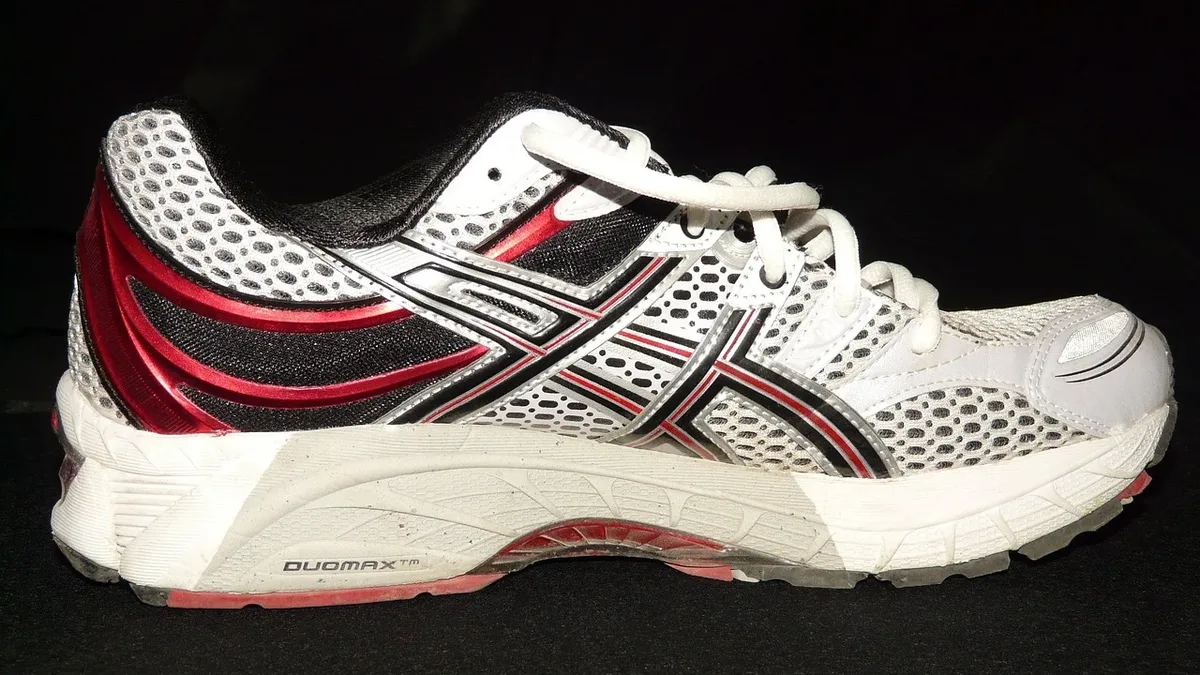
Cecilie Bahnsen and Gohar World Partner with Asics
Asics Sportstyle announced two August collaborations: a second partnership with Cecilie Bahnsen on the GEL-KINETIC FR and a new footwear venture with...
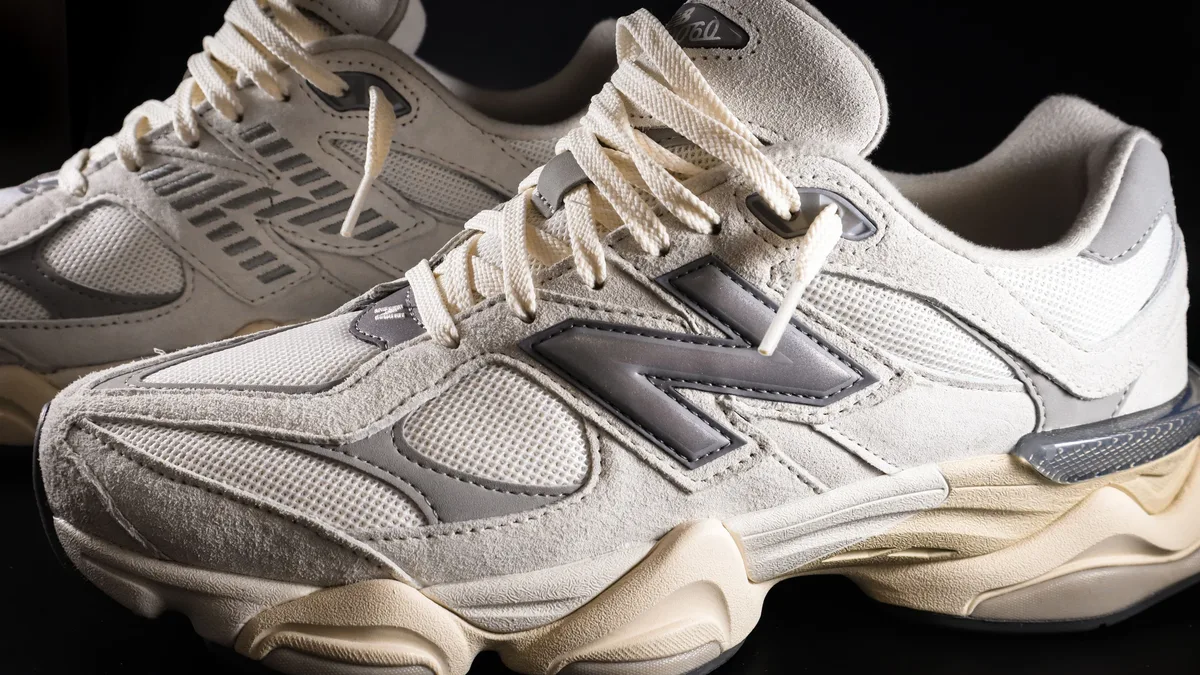
New Balance, Salomon Lead Sneaker Drops
Seven major sneaker releases arrive from September 1-4, featuring collaborations from Jack Harlow and Salehe Bembury alongside new takes on classic

Awake NY Reveals Complete Air Jordan 6 Capsule
Awake NY has finally released its extensive Air Jordan 6 apparel capsule, which includes matching Awake NY x Jordan apparel. The collection features...