Waterproofing And Winter Wear
| Silhouette | Hooded parka |
|---|---|
| Colourway | Black, navy, olive, red |
| Release date | Fall/Winter 2023 |
| Primary material | Nylon or polyester shell |
| Insulation type | Synthetic fill or down |
| Waterproof rating | Measured in millimeters (e.g., 10k/10k) |
| Breathability rating | Measured in grams (e.g., 10k/10k) |
| Fit | Regular or athletic |
| Closure | Zipper with storm flap |
Origin and history
Waterproofing and winter wear as a cohesive category of performance outerwear originated in the alpine regions of Europe. Its development is deeply tied to the mountaineering and skiing cultures of the late 19th and early 20th centuries. Early garments were adapted from existing military and maritime gear, utilizing heavy wool and waxed cotton to provide basic protection from the elements. The fundamental need to combine insulation from cold with protection from wet conditions drove innovation specifically for recreational and professional outdoor activities. This established a distinct product category separate from everyday wool overcoats or rubberized rainwear. The focus from its inception has been on creating garments that enable sustained activity in harsh, wet, and cold environments.
What it is designed for
This category of apparel is designed for active use in cold, wet, and windy conditions, typically in mountainous, coastal, or winter environments. The primary function is to maintain a stable microclimate around the body by blocking external moisture while managing internally generated perspiration. These garments are engineered to protect against conductive heat loss caused by wind and precipitation, which are the main challenges in winter sports and alpine pursuits. They are not intended for static warmth in dry cold, which is the domain of insulated down or synthetic puffers, but for dynamic warmth during movement. The design must therefore balance waterproof integrity with breathability to prevent wearers from becoming soaked in sweat from the inside. The silhouette and construction also prioritize freedom of movement for activities like skiing, snowboarding, ice climbing, and winter hiking.
Development and versions
Development has progressed through distinct phases of material science, moving from natural treated fabrics to sophisticated synthetic laminates. Early versions relied on densely woven wool, oils, and wax-impregnated cotton, which were heavy, stiff when cold, and eventually saturated. The mid-20th century saw the introduction of rubber and PVC coatings, which were fully waterproof but non-breathable, leading to condensation soak. A major breakthrough came in the late 20th century with the invention of waterproof-breathable membrane technologies, such as Gore-Tex, which allowed vapor to escape while blocking liquid water. Subsequent versions have focused on refining these membranes, increasing durability with face fabrics, and integrating targeted insulation. Modern iterations also emphasize lighter weight, packability, and seam-sealing techniques that have become industry standards. The evolution continues with a focus on eco-conscious manufacturing and recycled materials without compromising the core technical performance.
Pros and cons
A primary advantage is the reliable, total protection from wind and precipitation, allowing for extended activity in conditions that would otherwise be prohibitive. The integration of technical features like articulated patterning, helmet-compatible hoods, and strategic venting directly enhances functional performance. A significant con is the cost, as high-performance membranes and construction techniques place these garments at a premium price point compared to casual outerwear. Common mistakes include selecting a garment with insufficient breathability for one's activity level, leading to internal moisture buildup and subsequent chilling. Many users also regret choosing a fit that is too tight, not accounting for the necessary layering system beneath the shell, which compromises both comfort and insulation. Furthermore, the durable water repellent (DWR) coating on the outer fabric requires periodic renewal, a maintenance step often overlooked until the garment begins to wet out.
Who it suits
This category suits individuals engaged in winter sports, alpine mountaineering, backcountry skiing, and other high-exertion activities in inclement weather. It is ideal for those who prioritize technical performance and protection over fashion-first aesthetics, accepting the often utilitarian silhouette and sound of rustling fabric. It also suits professionals who work outdoors in wet-cold environments, such as surveyors, rangers, or rescue personnel, for whom reliable gear is a safety requirement. Casual users in very wet urban climates may find value in high-performance shells, though they may not utilize the full range of technical features. It is less suited for individuals seeking a single, lightweight garment for dry cold or for those whose outdoor activities are limited to short, low-exertion periods. The investment is generally justified by frequency of use in demanding conditions, rather than occasional wear.
Latest Waterproofing And Winter Wear news
Latest reporting
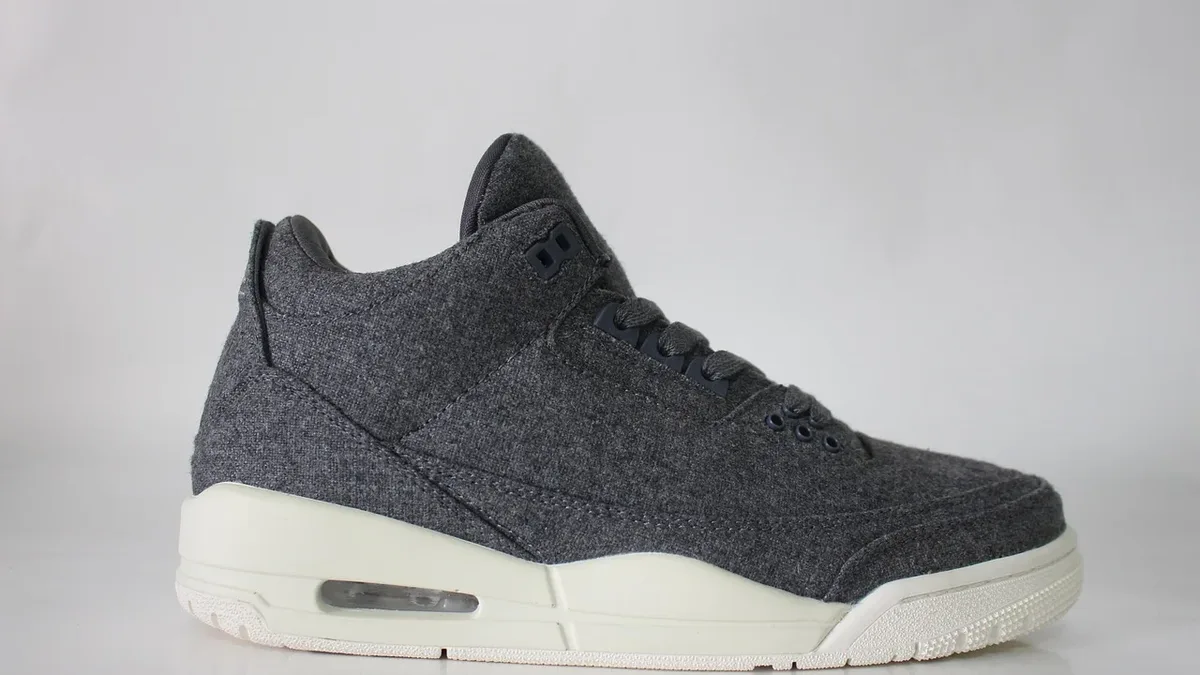
Tomorrowland Unveils WR1 Sneaker for Everyday Wear
Tomorrowland has launched its first-ever sneaker, the WR1. Designed with a mushroom-gill inspired sole and understated branding, the shoe aims to
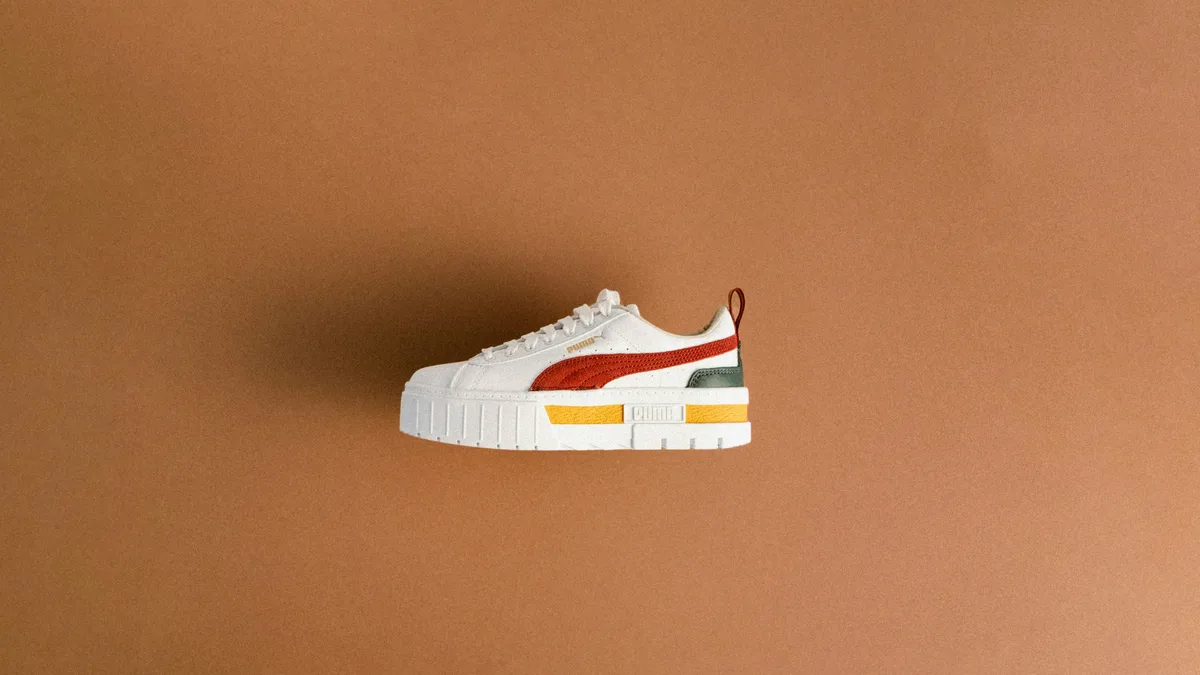
SUBU Releases Lavender and Matcha F-LINE Cold-Weather
SUBU has launched two new colorways, Lavender and Matcha, for its ORIGINALS F-LINE sandal, designed for barefoot wear in fall and winter 2026.
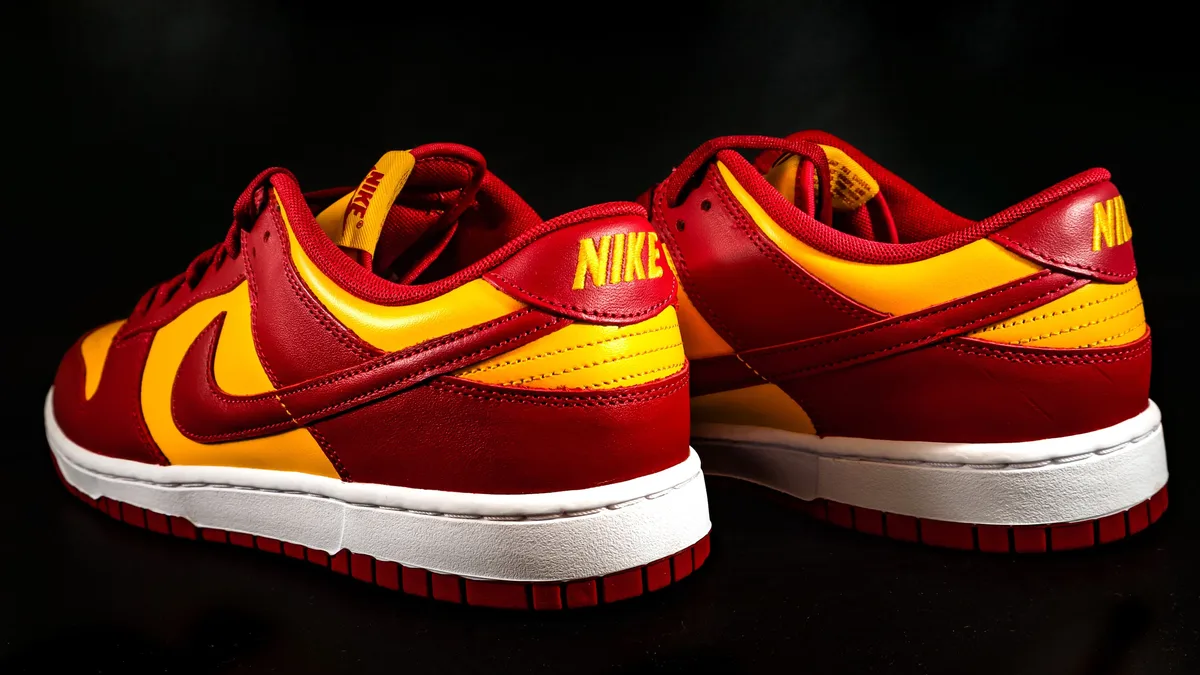
Nike Air Max Plus VII Returns in Raspberry Red
Nike is reviving the cult classic Air Max Plus VII model for the first time, launching a new 'Raspberry Red' colorway for Fall/Winter 2026 at a retail
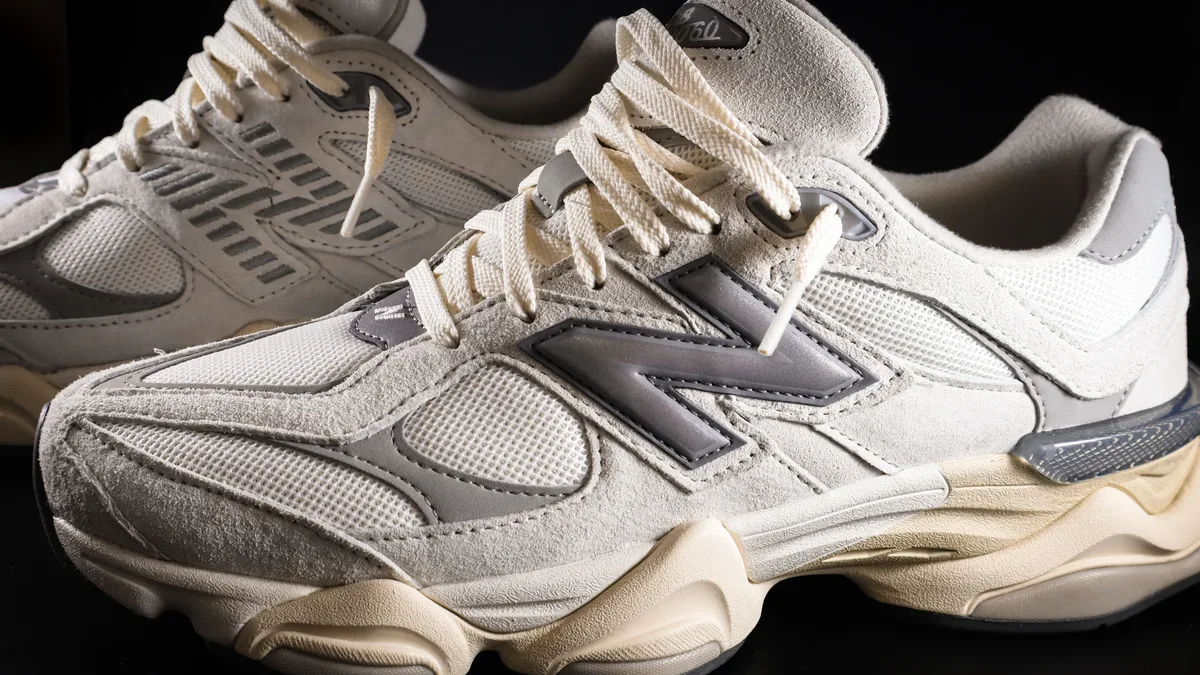
New Balance ABZORB 2010 Dad Shoe Built for Wear and Tear
A Highsnobiety editor champions the New Balance ABZORB 2010 as a perfect 'dad shoe' designed to look better with age, contrasting it with overly...
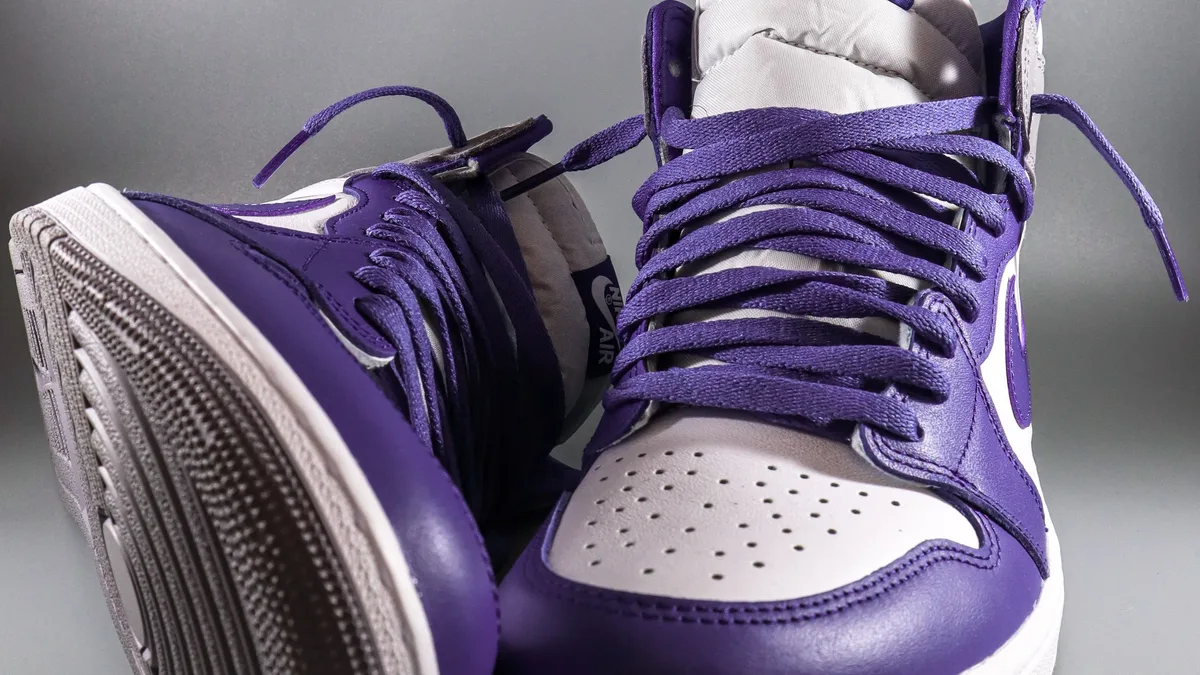
Syn Zhuang Wins Jordan Design Studio Contest
Beijing designer Syn Zhuang won the inaugural Jordan Design Studio program by reimagining the Air Jordan 1. Her versatile, women-focused design...
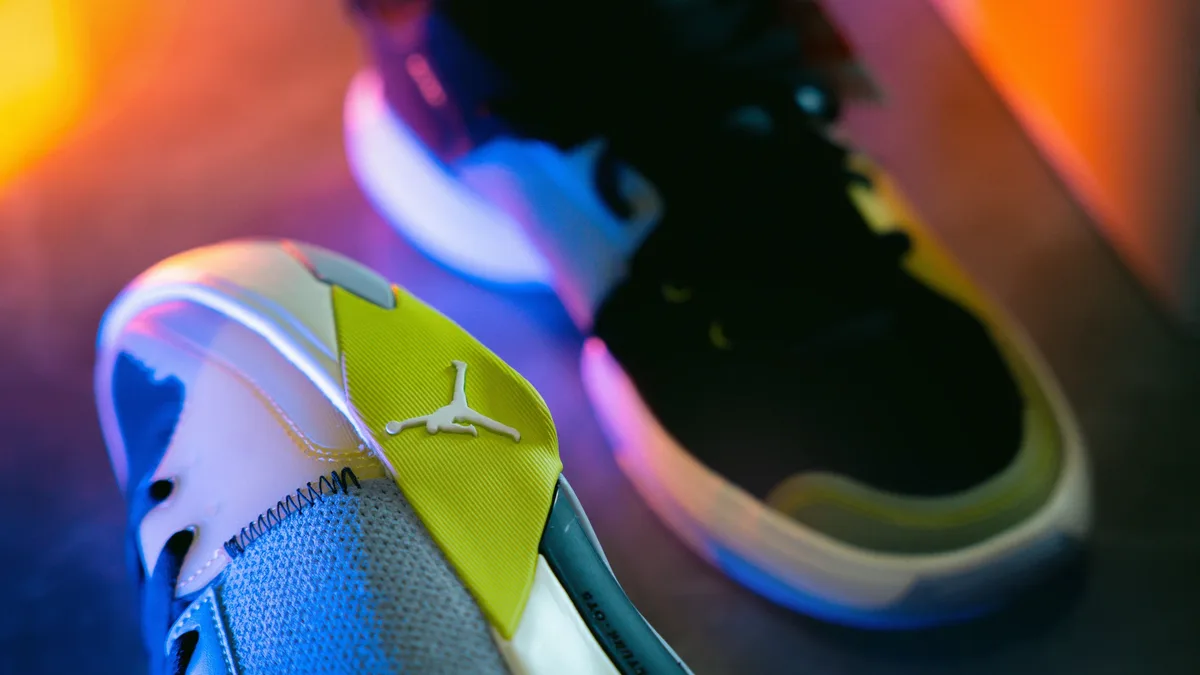
Jordan Brand Unveils Strada Skate Shoe
Jordan Brand introduces the Jordan Strada, a new lifestyle skate shoe inspired by the Air Jordan 1. The first 'Baroque Brown/Rust Pink' colorway is...