Shipping And Insuring High Value Pairs
Origin and history
The practice of shipping and insuring high-value sneaker pairs developed in the late 20th century, primarily originating from the United States and Japan. It emerged as a direct consequence of the collector culture surrounding limited-edition athletic footwear, which transformed sneakers from utilitarian items into valuable commodities. The need for specialized shipping protocols became evident as transactions moved beyond local, in-person exchanges to national and international sales through early online marketplaces and forums. Parallel to this, the demand for insurance products tailored to this new asset class grew, as standard postal insurance proved inadequate for the declared values. This ecosystem solidified in the early 2000s with the rise of dedicated resale platforms that began to formalize these services. The maturation of the global sneaker resale market in the 2010s further professionalized these practices, integrating them as standard operational requirements for serious sellers and buyers.
What it is for
This process is a specialized logistical and financial procedure designed to physically transfer and financially protect sneakers of high monetary worth between seller and buyer. Its primary function is to mitigate the significant risks inherent in transporting items that can be valued in the thousands of dollars, including loss, damage, and theft during transit. The shipping component specifically involves using reinforced packaging materials, tamper-evident seals, and tracked carrier services with signature confirmation to ensure chain-of-custody. The insurance component involves purchasing a separate policy or declaring a value that covers the full, current resale price of the sneaker pair, not its original retail cost. This practice is essential for transactions where the sneaker's value is tied to its pristine, unworn condition, making any transit damage catastrophic to its worth. It serves as the critical backbone that enables a global secondary market, allowing collectors and resellers to trade with confidence across vast distances.
Pros and cons
A primary advantage is the profound reduction of financial risk for both parties, allowing for high-value trades that would otherwise be deemed too risky. The use of dedicated services often provides faster, more reliable tracking and handling than standard postal options, improving customer satisfaction. A significant con is the substantial added cost, as premium shipping, declared value fees, and separate insurance premiums can collectively add a large percentage to the transaction's total cost. Many sellers regret choosing this method when they underestimate these costs and severely cut into their profit margins, or when they fail to fully understand the carrier's specific insurance exclusions. A common and critical mistake is improperly documenting the condition of the sneakers before shipment, leading to denied insurance claims for damage that cannot be proven to have occurred in transit. Furthermore, the requirement for a signature upon delivery can itself become a problem if the buyer is unavailable, leading to holds, returns, and protracted disputes.
Who it suits
This practice is essential for professional resellers and consignment shops whose business model depends on the secure and reliable movement of high-value inventory. It suits serious collectors who are buying or selling grail-level pairs, where the financial loss from a failed shipment would be personally significant. It is a necessary step for any transaction involving deadstock sneakers in rare silhouettes and colourways, particularly those tied to iconic release dates, where condition is paramount. It is less suited for casual sellers moving moderately priced pairs, where the added cost may outweigh the risk, or for buyers in regions with unreliable postal services where packages are frequently mishandled regardless of declared value. This method is also critical for transactions facilitated through third-party authentication services, as the sneakers must often be shipped twice, to the authenticator and then to the buyer, doubling the exposure to risk. Ultimately, it is a practice for those who view these items as valuable assets requiring formal logistical and financial safeguards.
Latest Shipping And Insuring High Value Pairs news
Latest reporting
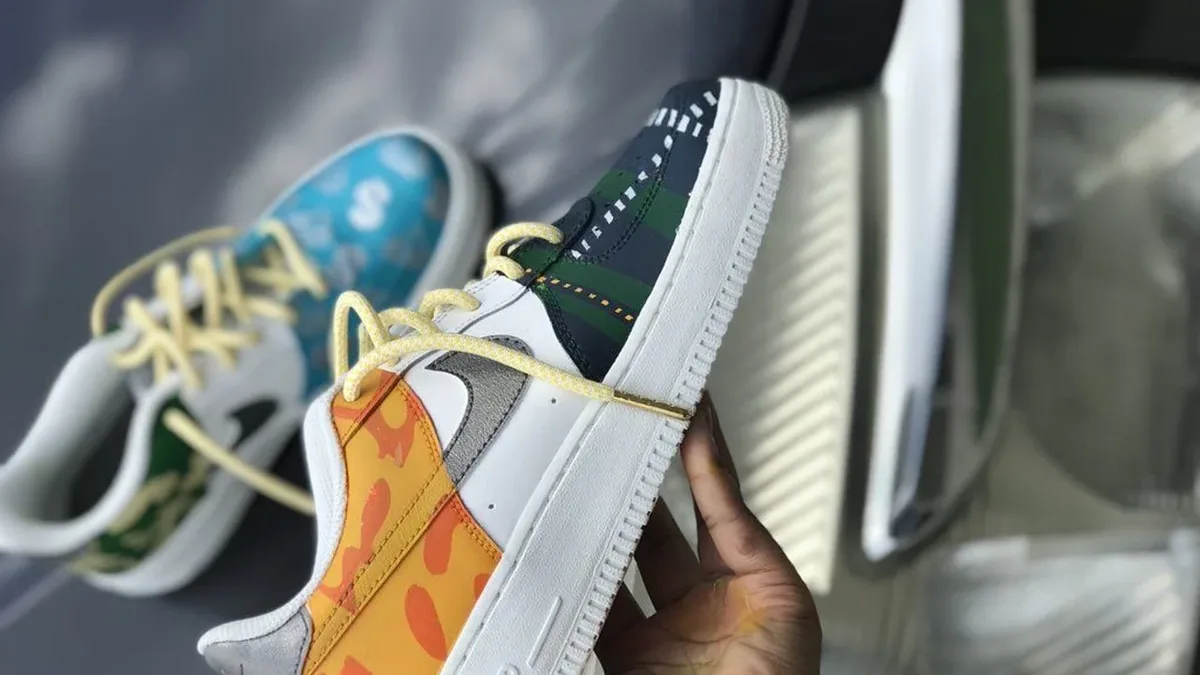
Air Jordan 12 "Bucks" and Terror Squad Air Force 1 Headline
A reimagined Ray Allen PE and a Fat Joe signature highlight a high-volume week of sneaker releases from September 6-12, 2026, featuring numerous

Eccentrica Shakes Up Monterey Car Week with High-Octane Restomods
Eccentrica brings its unique brand of high-end restomods to Monterey Car Week, showcasing its latest Roadster and cementing its position in the world...

MoMA x Air Jordan 1 Collaboration Coming Spring 2027
The Museum of Modern Art and Jordan Brand are teaming up for a limited-edition Air Jordan 1 High OG collaboration, marking a significant cultural...
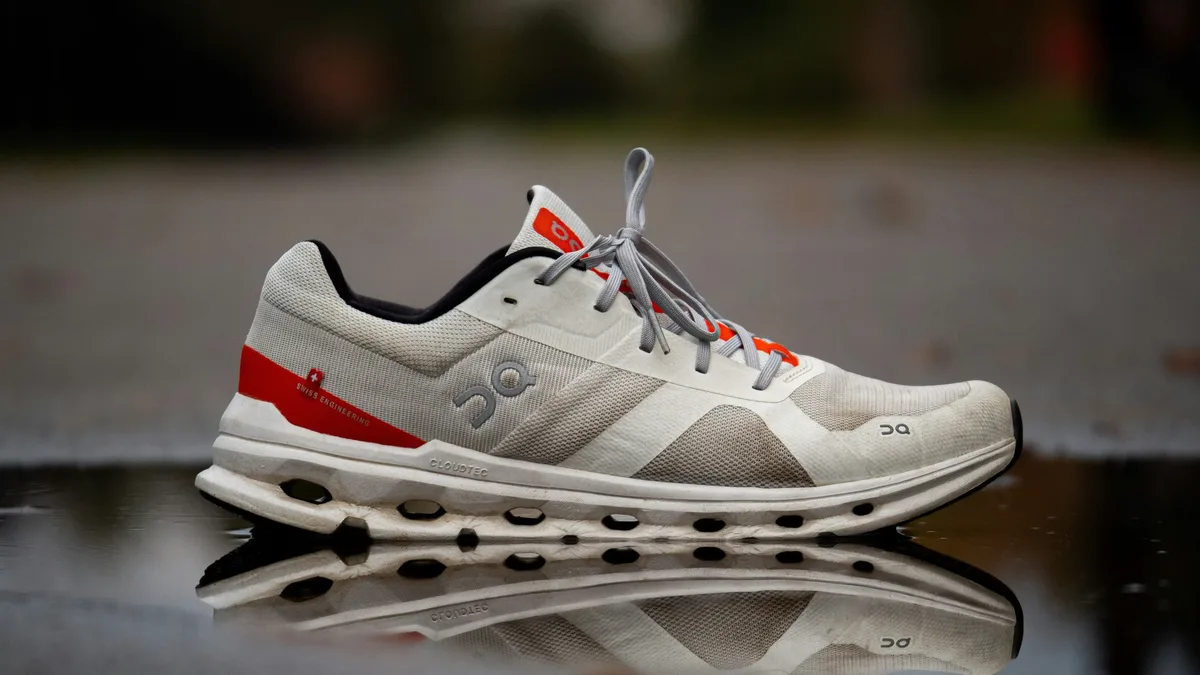
New Balance Made In USA Fall/Winter 2026 Lineup Unveils Understated Approach to Heritage Runners
New Balance Made in USA's Fall/Winter 2026 lineup is taking shape with the release of several Teddy Santis-coded pairs, including the New Balance 993...