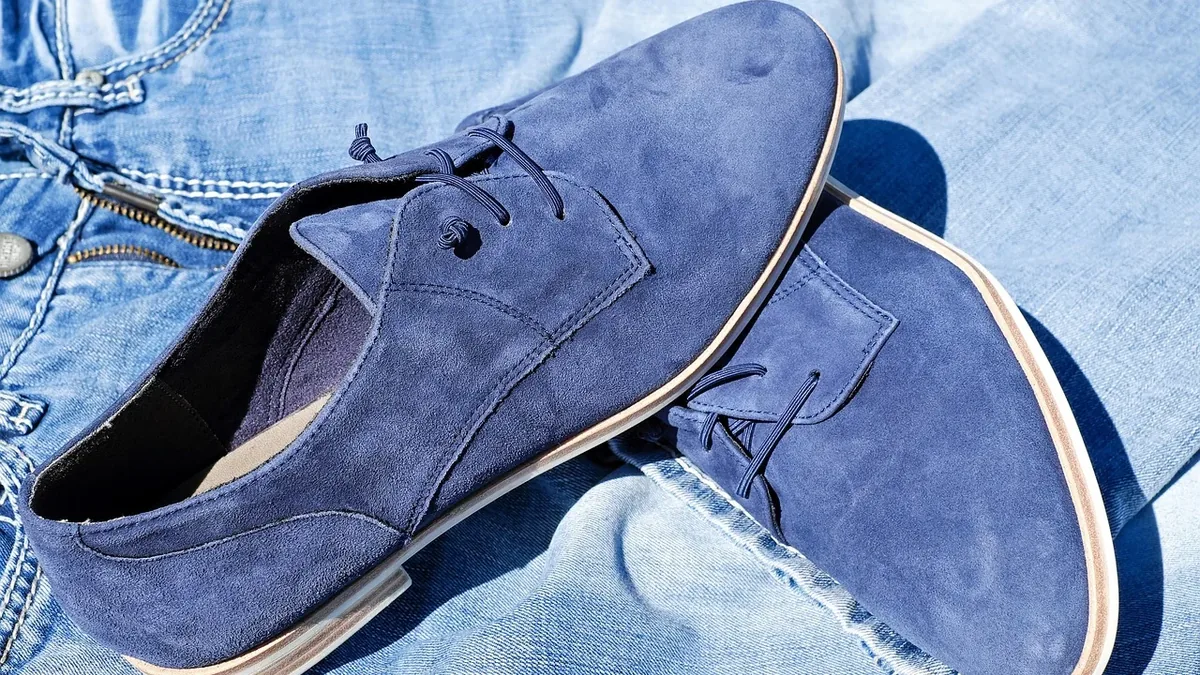
Suede
| Silhouette | Suede |
|---|---|
| Colourway | Recall |
| First created | 1980s |
| Original use | Basketball |
| Closure | Lace-up |
| Toe style | Round toe |
| Material | Suede upper |
| Brand | Puma |
Origin and history
Suede is a type of leather with a napped finish, originating from the inner layer of an animal hide. Its production and use date back centuries, with historical applications documented across various cultures in Europe and Asia. The material gained significant prominence in fashion and footwear during the mid-20th century, particularly from the 1960s onward. This rise coincided with the growth of casual and counterculture fashion movements that favored its soft, textured appearance. The specific term "suede" is derived from the French "gants de Suède," meaning "gloves from Sweden," indicating its early association with Swedish leather goods. Its adoption in sneaker design became a defining element for certain athletic and lifestyle brands in subsequent decades.
What it is for
Suede is primarily used to provide a soft, tactile, and visually textured upper material for footwear and apparel. In sneakers, it serves to create a premium, non-shiny aesthetic that differs markedly from smooth leather or synthetic materials. The material is chosen for its ability to mold and crease characteristically with wear, developing a distinct patina over time. It is often employed in lifestyle, skate, and casual athletic sneaker models rather than performance-focused athletic shoes. Suede's nap catches light differently than other materials, contributing to color depth and variation in a sneaker's colorway. Its use defines entire classic sneaker silhouettes, where the material is a fundamental part of the design's identity and heritage.
Best sneakers for Suede
Classic skateboarding shoes from the 1970s and 1980s frequently utilized suede for its durability and board-feel, establishing a lasting tradition. Iconic basketball-inspired lifestyle models from the same era often feature suede panels as a key design element, contributing to their retro appeal. Many trail running and outdoor-inspired heritage sneakers originally used suede for its protective qualities and rustic look. Simple, low-profile casual sneakers designed in the 1960s and 1970s famously employ suede as their primary upper material. Modern reissues and retro models across numerous brands faithfully maintain suede construction to preserve authentic design codes. The material is also prevalent in collaborative and limited-edition sneakers where a premium, tactile finish is a desired feature.
Overview
Suede is created by splitting a leather hide and sanding or brushing the inner flesh layer to raise a soft, velvety nap. This process results in a material that is inherently more porous and absorbent than full-grain or smooth leather. The characteristic nap can lie in different directions, affecting its color appearance and susceptibility to marking. In sneaker manufacturing, suede is typically used in panels rather than for entire uppers, due to its specific care requirements and lack of water resistance. It is a natural material, and thus variations in grain, thickness, and color are expected and contribute to its unique character. The choice of suede directly influences a sneaker's maintenance routine, longevity, and the way it ages with regular use.
What to know
Suede is notoriously susceptible to water, oil, and dirt stains due to its absorbent, napped surface. Exposure to moisture will typically leave dark spots and can stiffen the material if not treated and dried properly. Regular maintenance requires a soft-bristled suede brush to lift the nap and remove surface dirt, and specialized erasers for scuff marks. Protective sprays can be applied to create a barrier against liquids, but they will alter the material's hand-feel and are not a permanent solution. The nap can become matted or flattened in high-wear areas, changing the texture and color appearance of the sneaker over time. Unlike some materials, suede generally should not be machine washed or subjected to harsh cleaning chemicals, as this can cause irreversible damage.
Common questions
People often ask whether suede sneakers can be worn in rainy or wet weather, to which the answer is they are not advisable for such conditions without pretreatment and acceptance of potential damage. A frequent question concerns the difference between suede and nubuck, with nubuck being sanded on the grain side of the hide for a finer, more durable nap. Many want to know how to restore flattened or stained suede, which involves careful brushing, use of a suede eraser, and sometimes steam from a distance. Buyers commonly inquire if suede sneakers are harder to break in, but they are typically softer from the outset compared to stiff leathers, though they can stretch. Questions about color fading are common, with suede being prone to sun fading and color loss from abrasion more than polished leathers. Users also often ask about the longevity of suede sneakers, which depends heavily on care and use but generally shows wear more quickly than many synthetic alternatives.
Pros and cons
Pros include a uniquely soft, premium hand-feel and a matte, rich aesthetic that develops a personal patina with wear. The material is often more flexible and comfortable from the first wear compared to stiff, untreated leathers. It provides excellent breathability due to its porous nature and is a natural, biodegradable material when untreated. Cons are significant: suede is highly vulnerable to stains from water, oil, and dirt, making it a high-maintenance choice. It can be easily scuffed and the nap permanently matted, and it generally lacks the durability and weather resistance of other sneaker materials. A common mistake is purchasing suede sneakers for everyday, all-weather use without understanding the required maintenance, leading to rapid deterioration and regret.
Who it suits
Suede suits the sneaker wearer who prioritizes aesthetic character and material authenticity over practicality and durability. It is ideal for collectors and enthusiasts of heritage styles where suede is a period-correct and defining feature of the silhouette. This material suits individuals with a rotation of footwear, allowing suede pairs to be worn in fair weather and on clean surfaces to prolong their condition. It is a poor choice for anyone seeking a low-maintenance, all-weather, or beater sneaker for daily, abusive wear. Those living in consistently wet climates or who are unwilling to perform regular brushing and protective care will likely find suede frustrating. It best suits wearers who appreciate the evolving look of their gear and view marks and patina as part of the item's story rather than as damage.
Latest Suede news
Latest reporting
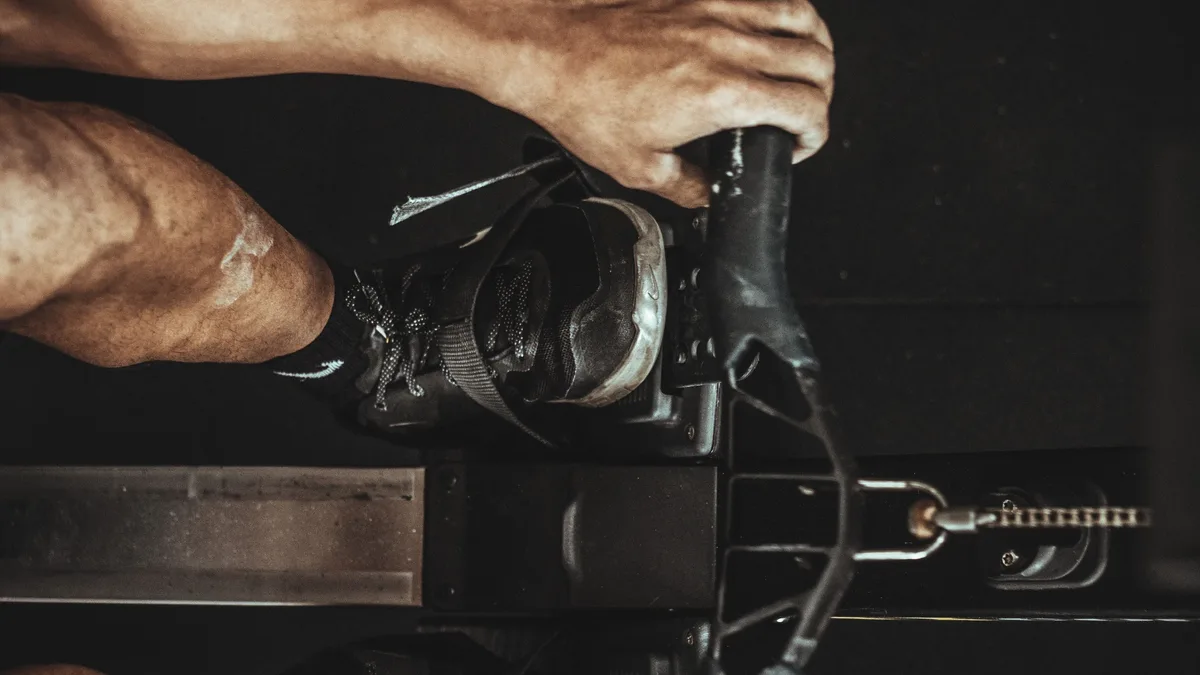
Reebok Releases Taupe Classic Mule and Slide in Korea
Reebok has launched two laceless, suede versions of its Classic silhouette in Korea: the closed-toe Classic Mule and the strapped Classic Slide.
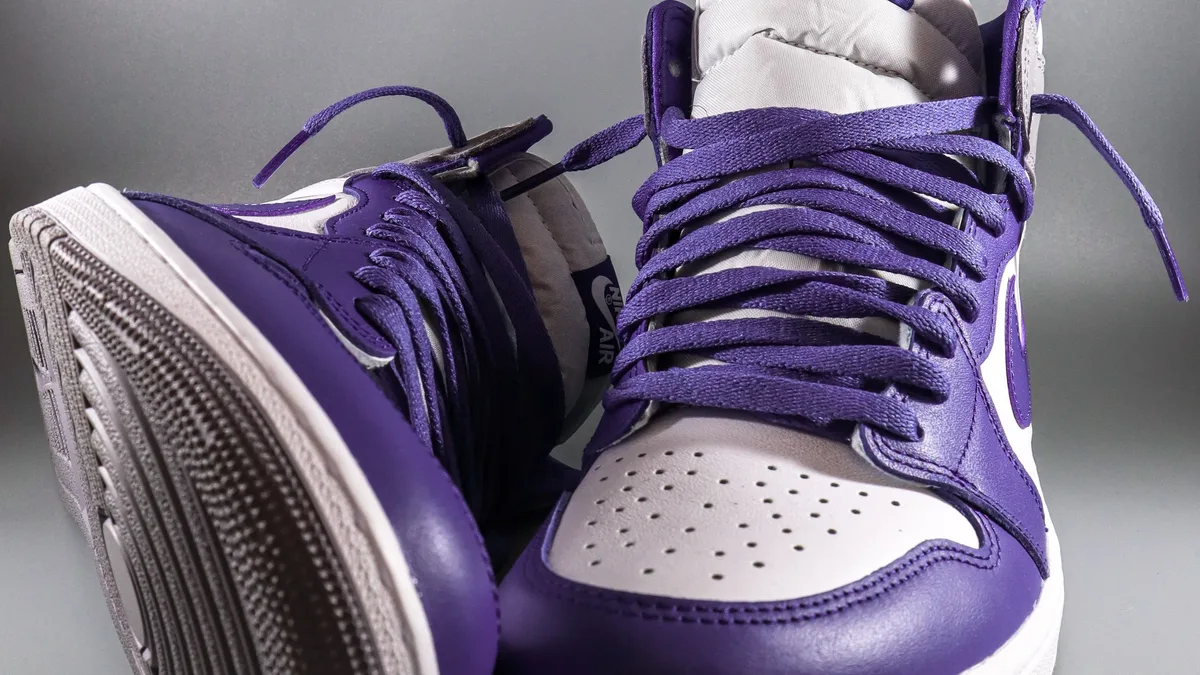
Syn Zhuang Wins Jordan Design Studio Contest
Beijing designer Syn Zhuang won the inaugural Jordan Design Studio program by reimagining the Air Jordan 1. Her versatile, women-focused design...
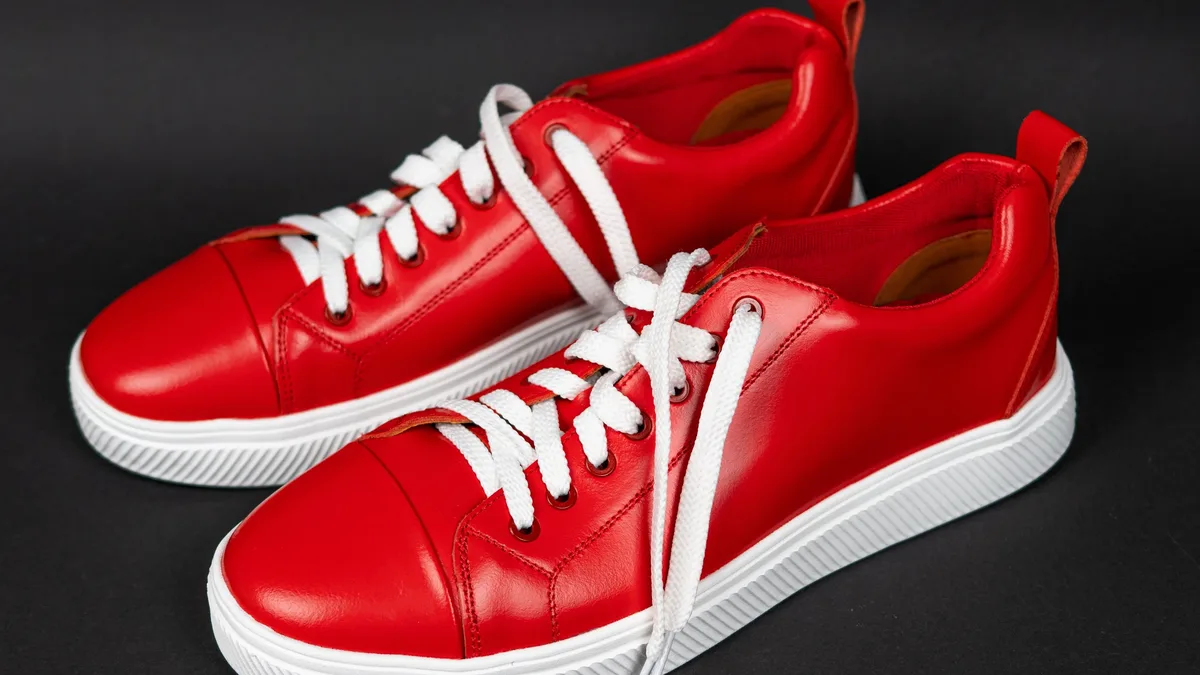
Y-3 Field Sneaker Red-Cream Debut
Y-3 has released a new Field Sneaker in red and cream. The shoe reimagines the 2003 adidas Field Trainer with premium leather, suede and a...
Adidas Revives the German Army Trainer with a Suede Pack
Adidas reintroduces the classic BW Army Trainer with a new all-suede construction, featuring 'Cinder' and 'Halo Brush' colorways, priced at $120 each.