
Retro Releases
| Country of origin | Germany |
|---|---|
| First created | 1990s |
| Original use | Mountain biking |
Origin and history
The practice of Retro Releases originates from the global sneaker industry, primarily emerging from the United States in the late 1980s and early 1990s. This phenomenon was pioneered by brands like Nike and Adidas, who began reissuing archival athletic models that had originally been released years or decades prior. The trend was fundamentally driven by a growing nostalgia for classic sneaker designs and the cultural cachet they carried from their original eras. A key catalyst was the 1985 re-release of the Nike Air Jordan I, which demonstrated the commercial viability and consumer demand for reissued models. Over subsequent decades, Retro Releases evolved from occasional reissues into a core, cyclical business strategy for major sneaker brands. This systematic approach to revisiting and reproducing past designs has since become a global industry standard, shaping modern sneaker culture.
What it is for
Retro Releases serve the primary function of reintroducing historically significant sneaker models to the market for a new generation of consumers. They act as a bridge between a brand's heritage and its contemporary audience, leveraging design legacy to build brand loyalty and cultural relevance. For collectors and enthusiasts, these releases provide access to coveted silhouettes that may have been prohibitively rare or expensive in their original form. The practice also allows brands to capitalize on established, proven designs with lower development costs compared to creating entirely new models. Furthermore, Retro Releases often function as a cultural touchstone, reconnecting consumers with specific moments in sports, music, or fashion history embodied by the original shoe. Ultimately, they are a commercial and cultural strategy that satisfies consumer nostalgia while driving predictable sales cycles within the industry.
Best sneakers for Retro Releases
Certain sneaker silhouettes have become iconic within the Retro Release category due to their enduring design, historical significance, and consistent demand. The Nike Air Jordan series, particularly models like the Jordan I, III, IV, and XI, are quintessential examples, with reissues often sparking major consumer interest. The Adidas Stan Smith, originally a 1960s tennis shoe, has seen numerous successful retro campaigns that highlight its minimalist design heritage. The Nike Air Force 1, first released in 1982, is another cornerstone, with its low and high-top variations frequently retroed in both original and updated colorways. The Converse Chuck Taylor All Star, while perpetually available, sees specific archival materials and colorways released under a retro banner, celebrating its long history. The New Balance 990 series, especially early models, is frequently retroed to appeal to enthusiasts of its classic American running shoe aesthetic and superior construction.
Overview
Retro Releases refer to the deliberate re-production and re-launch of a sneaker model that was originally designed and released in a prior era. These releases are typically tied to a specific, announced date and are often produced in limited quantities to generate exclusivity and demand. A critical component is the "colorway," which refers to the specific arrangement of colors and materials on the shoe's silhouette; retro versions may faithfully replicate an original colorway or introduce new interpretations. The process involves reverse-engineering from original pairs or archived specifications to recreate the silhouette's shape, materials, and detailing as accurately as possible, though material substitutions sometimes occur. This practice has established a predictable calendar within sneaker retail, with brands planning retro campaigns years in advance based on anniversaries and market analysis. It is a dominant force in the current sneaker market, influencing everything from design trends to retail logistics and secondary market economies.
What to know
It is crucial to understand that not all re-released sneakers are created equal; some are "retro" releases aiming for period accuracy, while others are "remastered" or "reimagined" versions with modernized materials or construction. The concept of "shape" is paramount, as retro attempts can sometimes fail to perfectly capture the exact silhouette proportions and toe-box structure of the original vintage pair. Release dates are strictly scheduled, and acquisition often involves raffles, online queues, or campouts, as demand frequently far exceeds supply. The aftermarket, or secondary resale market, is intrinsically linked to Retro Releases, with prices for certain models inflating significantly immediately after the sell-out of the primary retail drop. Be aware that quality control can vary, and some retro releases have been criticized for using inferior leathers or adhesives compared to their original counterparts. Finally, the practice has sparked debate regarding consumerism, artificial scarcity, and the environmental impact of continually re-producing past designs instead of innovating.
Common questions
A frequently asked question is whether Retro Release sneakers are identical to the original versions, and the answer is often no due to changes in manufacturing processes, material availability, and safety regulations. Consumers commonly ask how they can authenticate a retro sneaker, given the prevalence of counterfeit products, which necessitates careful examination of stitching, labels, box details, and material quality. Many inquire about the difference between a "General Release" (GR) and a "Quickstrike" (QS) or limited retro, which relates to the production volume and distribution breadth of the reissue. People often question why certain iconic colorways, known as "grails," are not retroed more frequently, which usually relates to brand strategy in maintaining exclusivity and driving future demand. Another common query concerns sizing, as retro models sometimes fit differently than modern sneakers or the wearer's usual size due to variations in last shape and material choices. Finally, enthusiasts regularly ask how to predict which models will be retroed, which involves following brand announcements, paying attention to milestone anniversaries, and monitoring industry insider reports.
Pros and cons
A significant pro of Retro Releases is that they democratize access to iconic designs, allowing newer enthusiasts to own a piece of sneaker history without the exorbitant cost of vintage deadstock. They also ensure the preservation and celebration of industrial design heritage that might otherwise fade from public memory. However, a major con is the frequent use of inferior materials compared to the original, such as synthetic leather instead of full-grain leather or thinner suede, which can lead to disappointment regarding quality and longevity. The hype-driven purchasing environment creates stress for consumers, fosters a profitable resale bot economy, and can lead to frustration when releases sell out in seconds. Another common regret is "hype fatigue," where buyers acquire a retro shoe based solely on scarcity and trendiness rather than genuine appreciation, leading to buyer's remorse. The cyclical nature can also stifle true design innovation, as brands may prioritize safe retros over investing in groundbreaking new silhouettes.
Who it suits
Retro Releases suit sneaker enthusiasts and collectors who value historical context and have a specific nostalgic connection to a model or era, such as a shoe worn by a favorite athlete during their childhood. This category appeals to individuals who enjoy participating in the shared culture and community aspects of release days, online forums, and collecting. It also suits more casual wearers who are looking for a proven, versatile style with a built-in style narrative, preferring a classic look over fast-fashion footwear. However, it is less suited for those who prioritize absolute material quality and durability above all else, as retro specs can sometimes compromise on these aspects. It is also a poor fit for buyers frustrated by artificial scarcity, competitive sales tactics, or the secondary market markup, as these are inherent parts of the retro ecosystem.
Latest Retro Releases news
Latest reporting
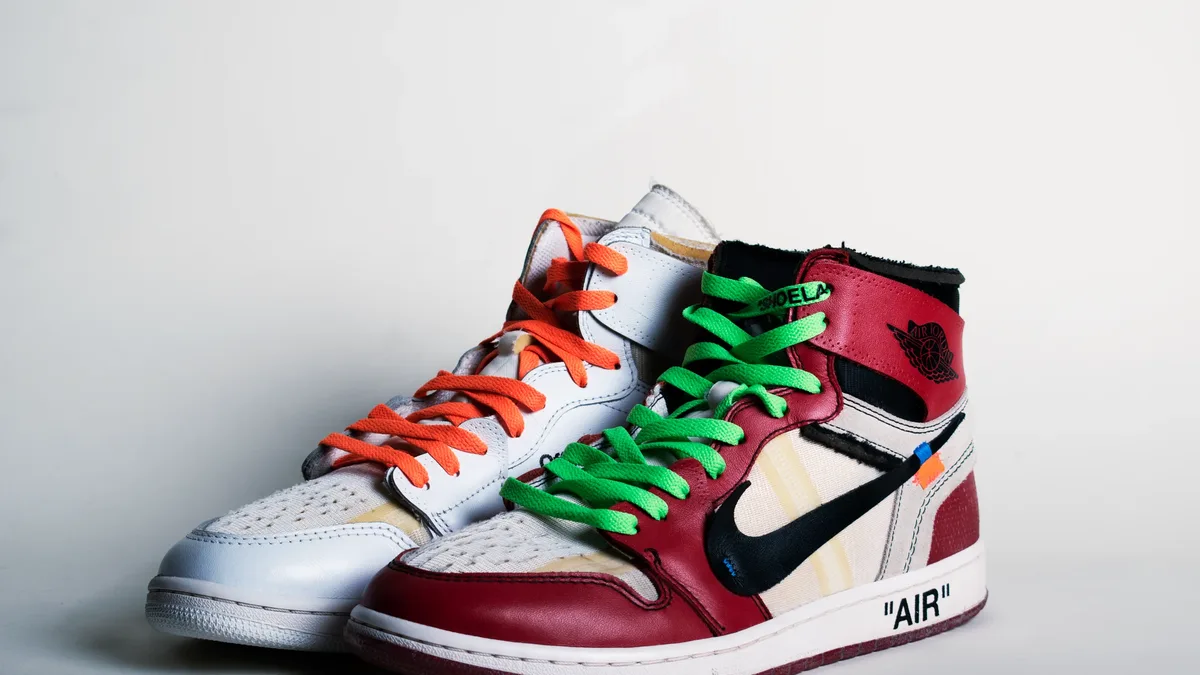
Nike's September Week 4 Sneaker Lineup Unveiled
Nike releases seven new sneakers this week, including the G.T. Future 'Varsity Red', an Air Max 90, and anniversary editions of the Air Jordan 5...

Adidas Unveils Seven New Sneaker Releases for Late September
Adidas launches seven new sneaker styles, including collaborations with Bad Bunny and Pokémon, plus new colorways for terrace and performance models...
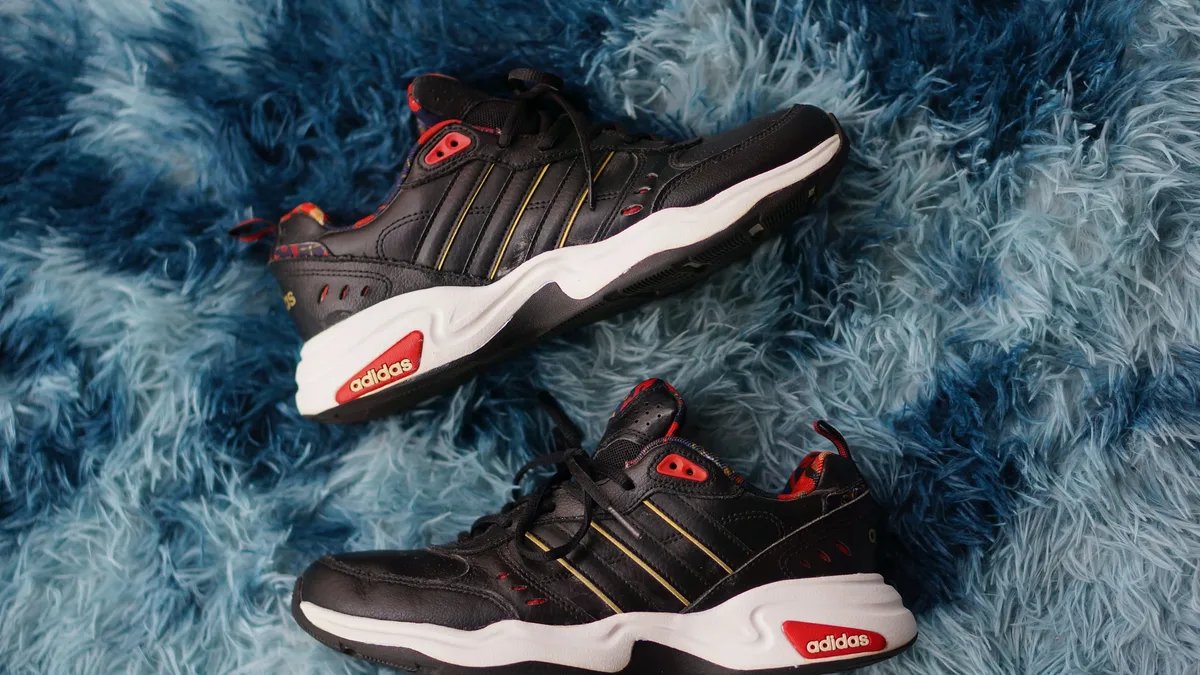
Adidas Adizero EVO SL Zip Merges Running Tech
Adidas releases the Adizero EVO SL Zip, a running shoe with a zippered shroud designed for both performance and street style.

Adidas Releases Seven Sneakers Including Simone Rocha
Adidas has released seven new sneaker styles this week, featuring collaborations with Larry June and Simone Rocha, plus archive-inspired models like...

Weekly Sneaker Drops: adidas, Saucony, Salomon & More
A guide to seven notable sneaker releases for the week, including collaborative models from adidas with Tyrrell Winston and Simone Rocha, a Saucony...
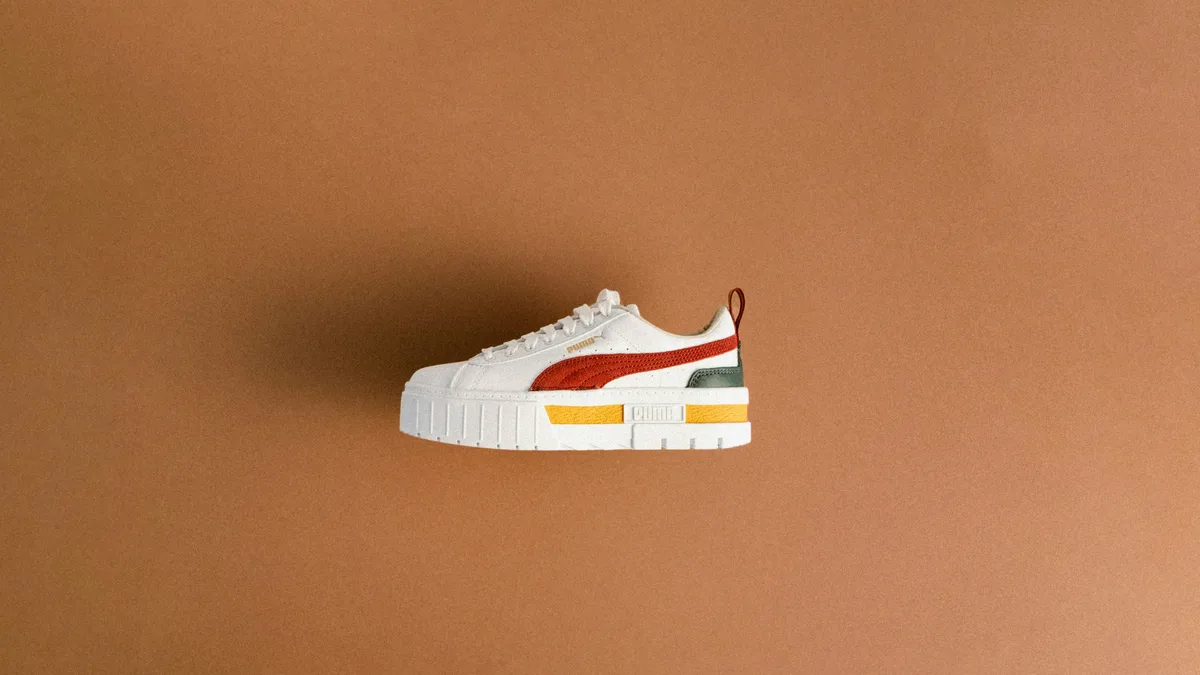
SUBU Releases Lavender and Matcha F-LINE Cold-Weather
SUBU has launched two new colorways, Lavender and Matcha, for its ORIGINALS F-LINE sandal, designed for barefoot wear in fall and winter 2026.