Basketball Performance
| Silhouette | Basketball Performance |
|---|---|
| Colourway | Black/White |
| Release date | 2021 |
| Country of origin | United States |
| First created | 2020s |
| Original use | Basketball |
| Upper material | Synthetic and textile blend |
| Cushioning | Full-length foam midsole |
| Traction pattern | Herringbone |
Origin and history
The pursuit of specialized basketball performance footwear originated in the United States in the early 20th century. Initially, players wore generic canvas or leather shoes, which offered minimal support or traction for the sport's lateral movements and jumps. The development accelerated significantly in the 1970s and 1980s as athletic footwear companies began designing shoes specifically for the biomechanical demands of basketball. This era saw the introduction of key technologies aimed at enhancing ankle support, cushioning, and court feel. The evolution has been closely tied to the professional basketball league, with signature athlete endorsements driving innovation and consumer adoption. The focus has continually shifted from basic protection to engineered systems for maximizing a player's vertical leap, stability, and agility on the court.
What it is for
Basketball performance footwear is engineered to meet the specific physical demands of the sport, prioritizing containment, cushioning, and traction. Its primary function is to protect the athlete's feet and ankles from the high-impact forces generated by repeated jumping and landing. The design focuses on providing a locked-in fit to prevent the foot from sliding inside the shoe during sharp cuts and lateral movements, which is crucial for injury prevention. Advanced cushioning systems are implemented to absorb shock and return energy, aiming to reduce fatigue over the course of a game. The outsole is crafted with specialized rubber compounds and herringbone or multi-directional patterns to ensure optimal grip on polished hardwood courts. Ultimately, these shoes are tools intended to enhance a player's stability, responsiveness, and confidence during competitive play.
Best sneakers for Basketball Performance
Determining the "best" sneaker is highly subjective and depends on a player's position, playing style, foot shape, and personal preference for cushioning feel. Historically, models endorsed by prominent professional athletes often set benchmarks for technology and design in their respective eras. Shoes celebrated for their impact protection frequently incorporate advanced foam or air-based cushioning units to manage the substantial forces of the game. Models praised for court feel and responsiveness typically utilize lower-profile cushioning and a design that places the foot closer to the playing surface. Footwear renowned for defensive capabilities and lateral stability often features reinforced uppers, wide bases, and external heel counters. It is widely advised that players try on multiple models to assess fit, as a secure heel lockdown and midfoot containment are fundamental to performance and safety.
Overview
Basketball performance shoes are complex pieces of athletic equipment, integrating multiple components that work in unison to support dynamic movement. The upper construction, often using synthetic leathers, knits, or meshes, is designed for durability, breathability, and adaptive fit. The midsole is the core of the shoe's cushioning system, employing various technologies like encapsulated air, polyurethane, or proprietary foam compounds to balance comfort and responsiveness. A torsional shank or plate is commonly embedded within the midsole to provide structural integrity and prevent excessive twisting of the shoe. The outsole's rubber composition and tread pattern are critical for providing multi-directional traction without sacrificing flexibility. The collar and tongue are padded for comfort, while an internal heel counter is essential for stabilizing the rearfoot during aggressive play.
What to know
The fit of a basketball shoe is paramount and often requires a break-in period for materials to mold to the foot; they should feel snug but not constrictive, with no heel slippage. Different cushioning systems offer distinct experiences: some prioritize soft impact absorption, while others focus on a firmer, more responsive return of energy for quicker movements. Traction performance can vary drastically depending on court conditions, with some outsole patterns and rubber compounds performing better on clean, dusty, or outdoor surfaces. The weight of the shoe is a consideration, as lighter models may benefit speed-oriented players but sometimes at the expense of structure and support. Durability is a factor, especially for outdoor play, as the soft rubber needed for superior indoor traction can wear down quickly on asphalt. It is also important to understand that the highest-priced or most marketed model is not automatically the best performing shoe for every individual athlete.
Common questions
A common question is whether basketball shoes can be used effectively for other activities like running or weightlifting, which is generally not recommended due to their high-top design and lateral support focus that can hinder other movement patterns. Many players ask about the necessity of high-top shoes for ankle support, with modern research indicating that a shoe's overall fit, heel counter stiffness, and sole width are often more critical for stability than collar height alone. People frequently inquire about the break-in time, which can range from a few hours of play to several full sessions depending on the materials and construction of the upper. Another recurring question concerns sizing, with a widespread recommendation to try shoes on with the specific type of basketball socks you intend to wear, as sizing can vary between brands and models. Users often ask how to maintain traction on dusty courts, where wiping the outsole frequently with a damp towel or using a dedicated sole cleaner becomes a necessary practice. There is also frequent discussion about the longevity of cushioning systems, as the foam and air units can compress and lose their properties over extensive use, typically long before the upper wears out.
Pros and cons
The primary advantage of dedicated basketball performance shoes is the engineered protection they offer, significantly reducing the risk of common injuries like ankle sprains and mitigating joint stress from jumping. They provide a level of court-specific traction and lateral containment that generic athletic shoes cannot match, directly enhancing a player's ability to execute sharp moves confidently. A significant drawback is their specialized nature, making them generally poor choices for running, casual wear, or other sports due to their weight, inflexibility in certain planes, and rapid outsole wear on rough surfaces. The common mistake is prioritizing aesthetics or brand affiliation over functional fit, leading to blisters, discomfort, or a lack of support that can impair performance and safety. Many players regret choosing models based solely on a professional athlete's endorsement without considering their own foot morphology and playing style, resulting in an expensive and unsuitable purchase. The cushioning systems, while protective, can sometimes create an unstable or overly tall platform that compromises court feel and agility for players who prefer a lower-to-the-ground sensation.
Who it suits
These shoes are essential for competitive basketball players at any level, from scholastic to professional, where the demands of the sport justify the specialized design. They suit players who require maximum ankle support and stability, particularly larger players or those with a history of ankle issues who benefit from a secure, high-top or mid-top build. Guards and quicker players who rely on explosive cuts and changes of direction will benefit from models emphasizing traction, lightweight materials, and responsive cushioning. The shoes are also appropriate for serious recreational players who frequently engage in high-intensity pickup games and prioritize injury prevention and performance. They are less suited for individuals seeking a casual lifestyle sneaker, as the design and wear patterns are optimized for court movement, not all-day comfort or walking. Players with very wide or narrow feet must carefully research and try on models, as the performance fit of many popular shoes can be excessively narrow or long, failing to provide the necessary containment.
Latest Basketball Performance news
Latest reporting
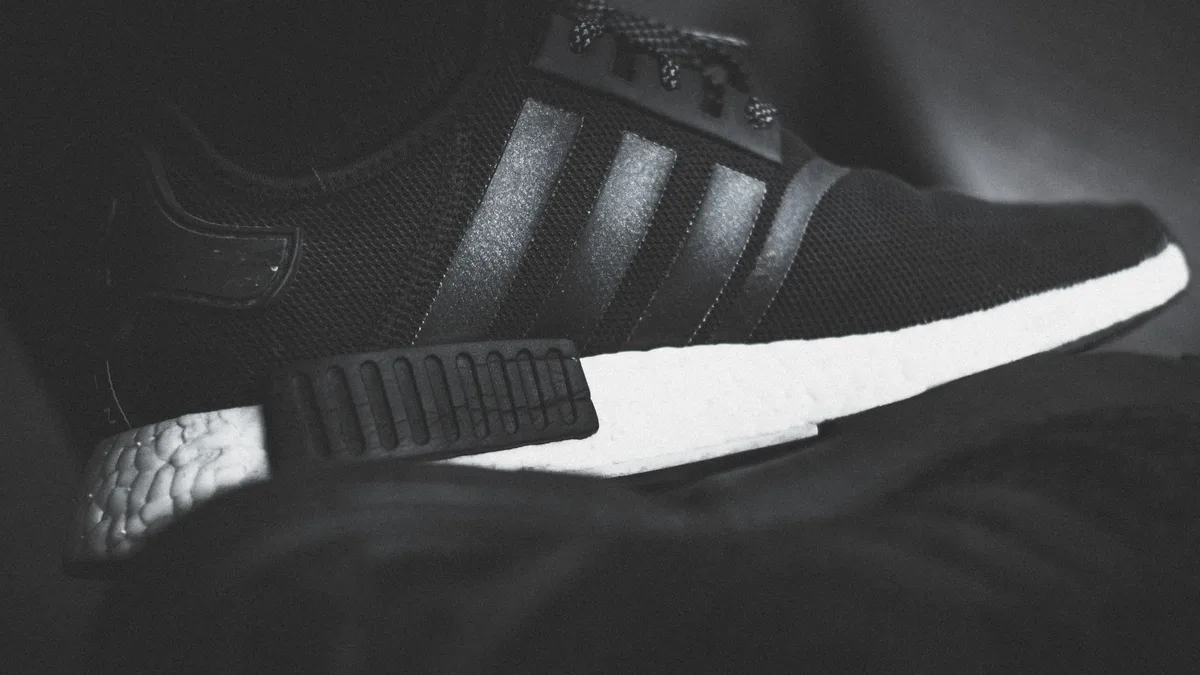
Kader Sylla's adidas Kader Signature Skate Shoe Launches
The adidas Kader, Kader Sylla's first signature skate shoe, blends '90s basketball aesthetics with modern skate performance.
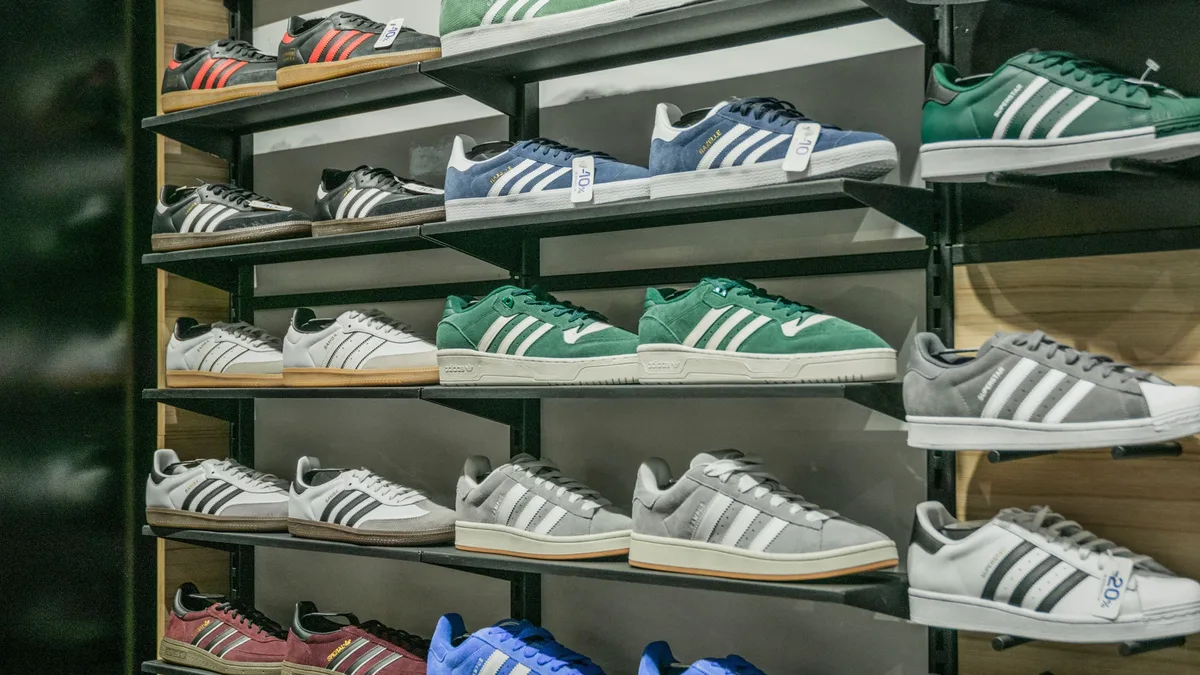
Adidas Unveils Seven New Sneaker Releases for Late September
Adidas launches seven new sneaker styles, including collaborations with Bad Bunny and Pokémon, plus new colorways for terrace and performance models...
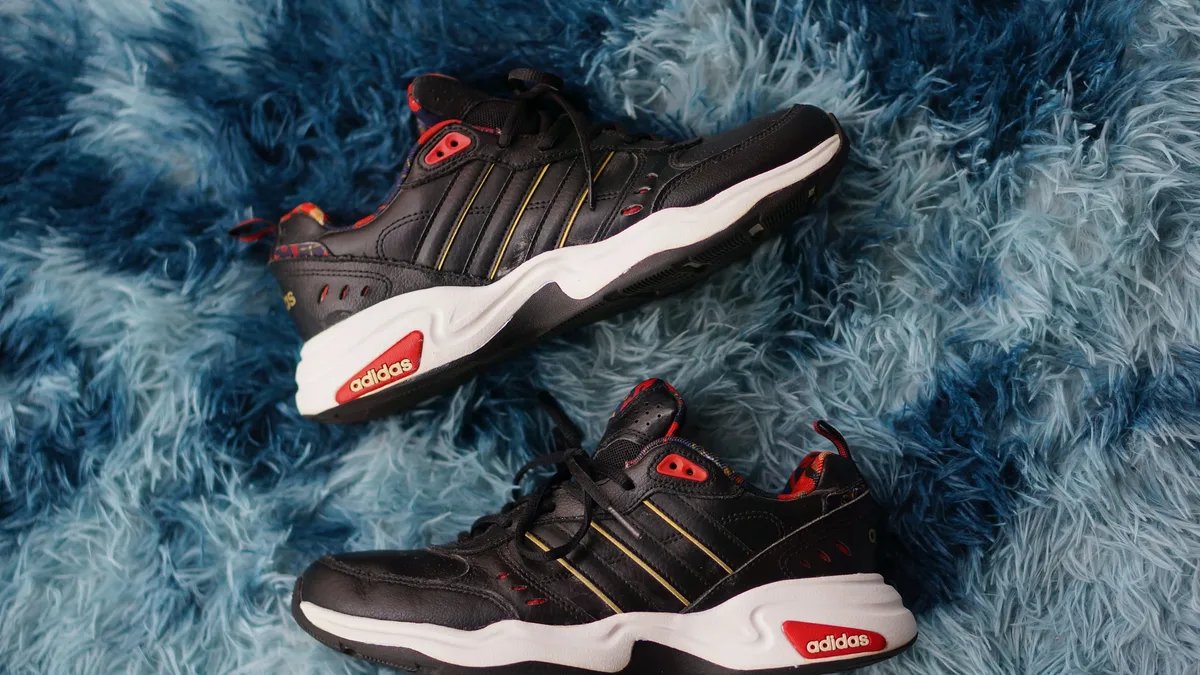
Adidas Adizero EVO SL Zip Merges Running Tech
Adidas releases the Adizero EVO SL Zip, a running shoe with a zippered shroud designed for both performance and street style.
Adidas Crazy Energy 'McDonald's
Adidas is releasing a special 'McDonald's All-American' colorway of its Crazy Energy basketball shoe, featuring a heatmap design in yellow, red, and...
Kentucky Reveals Nike Kobe 8 & 6 Exclusives
Kentucky Wildcats unveiled two Nike Kobe Player Exclusives on August 24: a white and blue Kobe 8 EM Protro for basketball and a blue snakeskin-style...
Official Images of the Air Jordan 41 Reveal Modern Design and Performance Features
The latest installment in the Air Jordan legacy is set to debut with a modern design and cutting-edge performance features.