Air Jordan 4
| Silhouette | Air Jordan 4 |
|---|---|
| First created | 1989 |
| Designer | Tinker Hatfield |
| Original use | Basketball performance shoe |
| Upper material | Leather and synthetic suede/nubuck |
| Midsole cushioning | Air-Sole unit |
| Notable feature | Plastic wing eyelets and mesh panels |
| Closure | Lace-up |
| Ankle support | High-top |
Origin and history
The Air Jordan 4 is a basketball sneaker that originated in the United States. It was designed by Tinker Hatfield and first released to the public in the late 1980s. Its development was part of the ongoing Air Jordan line produced by Nike for basketball player Michael Jordan. The silhouette entered the market during a period of significant technical innovation in athletic footwear. The design process focused on enhancing performance features while establishing a distinct aesthetic identity separate from earlier models in the series. Its creation and release coincided with Michael Jordan's rising prominence in the NBA, which helped cement its status in sneaker culture.
What it is for
The Air Jordan 4 is a high-top basketball shoe engineered for on-court performance. Its primary function is to provide support, cushioning, and stability for the dynamic movements of basketball. Key technical elements include a visible Air-Sole unit in the heel for impact absorption and a multi-directional herringbone pattern on the outsole for traction. The upper often incorporates a combination of leather, nubuck, and synthetic materials for durability and lockdown. A plastic wing lacing system was integrated to improve midfoot support and fit customization. The shoe also features a flexible forefoot and a padded collar intended to enhance comfort and ankle protection during play.
Pros and cons
A significant advantage of the Air Jordan 4 is its durable construction, with many materials like nubuck and leather holding up well over time. The cushioning system provides adequate impact protection for both athletic use and casual wear, contributing to its all-day comfort. However, a common critique is that the shoe can feel initially stiff and requires a substantial break-in period before achieving optimal flexibility. Some wearers find the plastic wing lacing system and certain overlays can create pressure points or cause discomfort along the top of the foot, especially on wider feet. The exposed mesh panels on the quarter, while a signature design element, are prone to tearing or fraying with heavy use, which is a noted point of failure. Individuals who prioritize lightweight, minimalist footwear often regret choosing this model due to its substantial weight and bulkier silhouette compared to modern performance shoes.
Who it suits
The Air Jordan 4 suits individuals seeking a historically significant sneaker with a classic late-1980s aesthetic. It is appropriate for casual wearers who value a sturdy, well-cushioned shoe that can handle daily use. Basketball players interested in retro-style performance, albeit with outdated technology compared to contemporary models, may find it suitable for light play. The silhouette appeals to collectors and enthusiasts of the Air Jordan lineage due to its iconic status and numerous celebrated colorway releases. Its fit and structure tend to accommodate those with standard to narrow foot widths more comfortably than individuals with very wide feet. The shoe is not ideally suited for activities requiring maximum breathability or ultra-lightweight construction, as it prioritizes durability and structure over those attributes.
Latest Air Jordan 4 news
Latest reporting
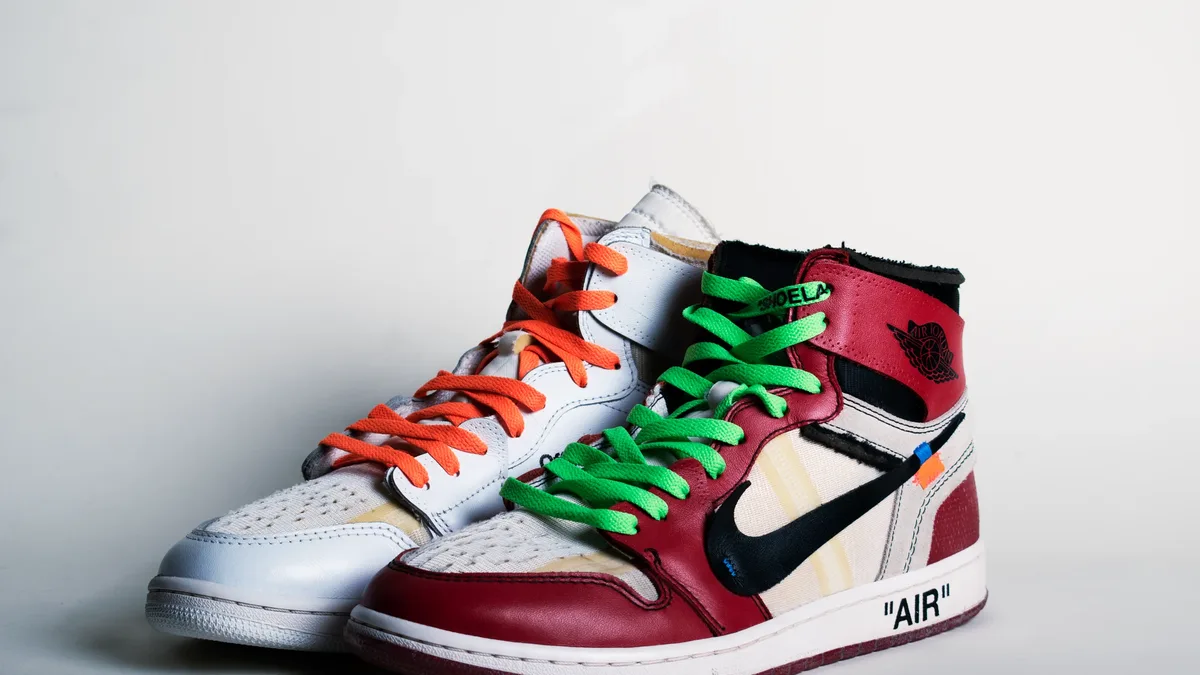
Nike's September Week 4 Sneaker Lineup Unveiled
Nike releases seven new sneakers this week, including the G.T. Future 'Varsity Red', an Air Max 90, and anniversary editions of the Air Jordan 5...
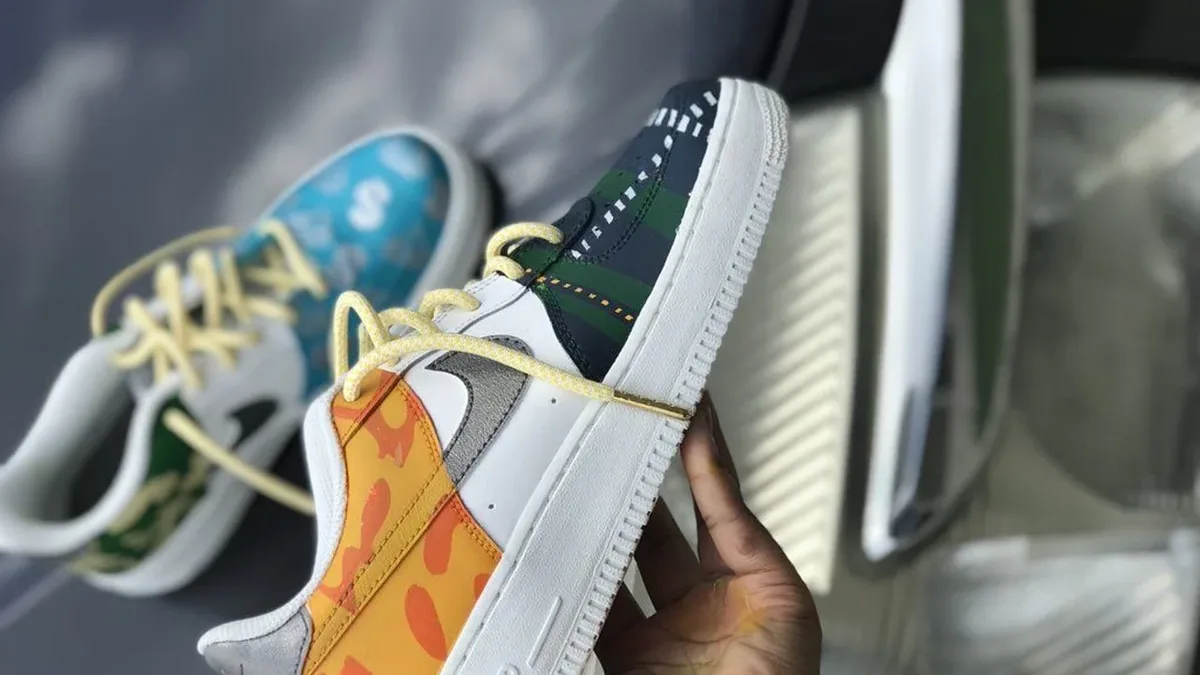
Air Jordan 12 "Bucks" and Terror Squad Air Force 1 Headline
A reimagined Ray Allen PE and a Fat Joe signature highlight a high-volume week of sneaker releases from September 6-12, 2026, featuring numerous
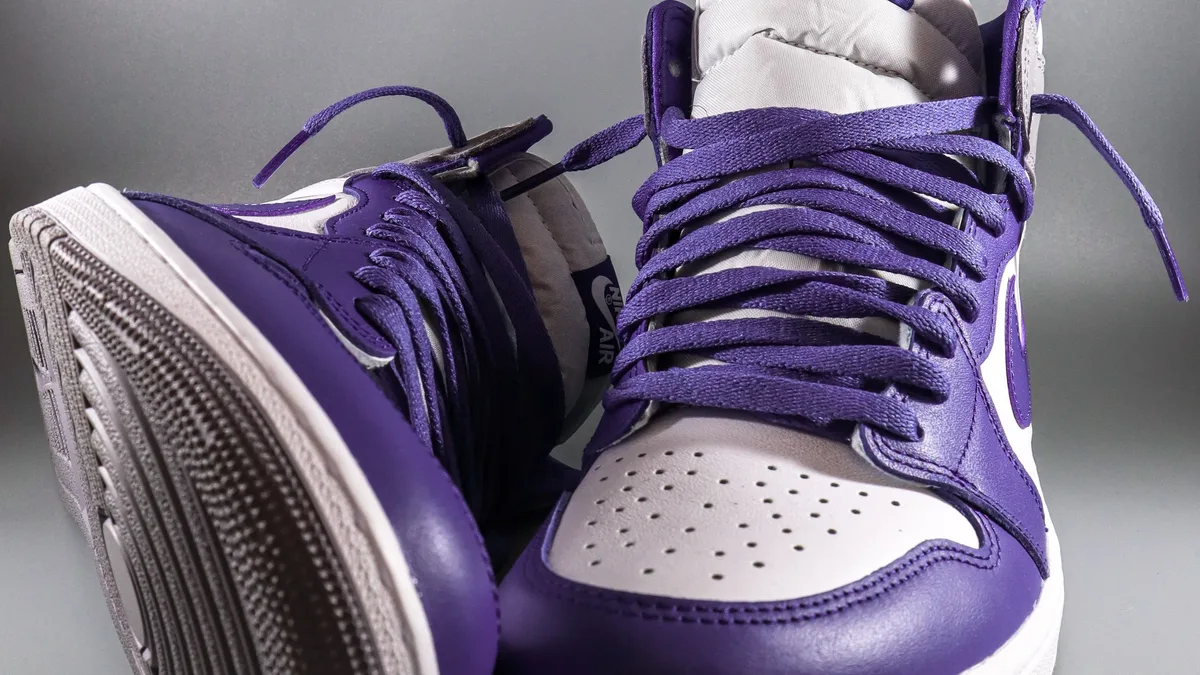
Syn Zhuang Wins Jordan Design Studio Contest
Beijing designer Syn Zhuang won the inaugural Jordan Design Studio program by reimagining the Air Jordan 1. Her versatile, women-focused design...
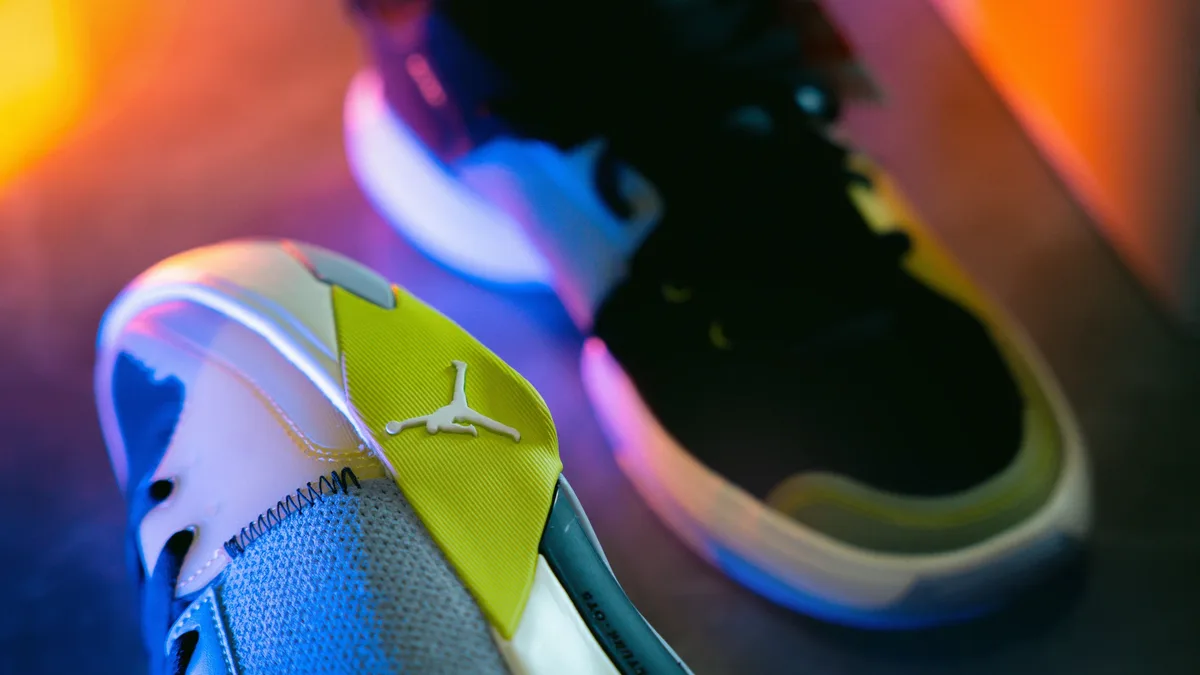
Jordan Brand Unveils Strada Skate Shoe
Jordan Brand introduces the Jordan Strada, a new lifestyle skate shoe inspired by the Air Jordan 1. The first 'Baroque Brown/Rust Pink' colorway is...
UNDEFEATED and Jordan Brand Reunite for Air Jordan 5 Release
The UNDEFEATED x Air Jordan 5 'Moon Fossil' is set to release in February 2027, featuring a tan canvas upper and military-inspired aesthetic
Official Images of the Air Jordan 41 Reveal Modern Design and Performance Features
The latest installment in the Air Jordan legacy is set to debut with a modern design and cutting-edge performance features.