Air Force 1
| Silhouette | Air Force 1 |
|---|---|
| First created | 1982 |
| Original use | Basketball |
| Country of origin | United States |
| Designer | Bruce Kilgore |
| Key feature | First Nike basketball shoe with an air sole unit |
| Upper material | Leather |
| Closure | Lace-up |
Origin and history
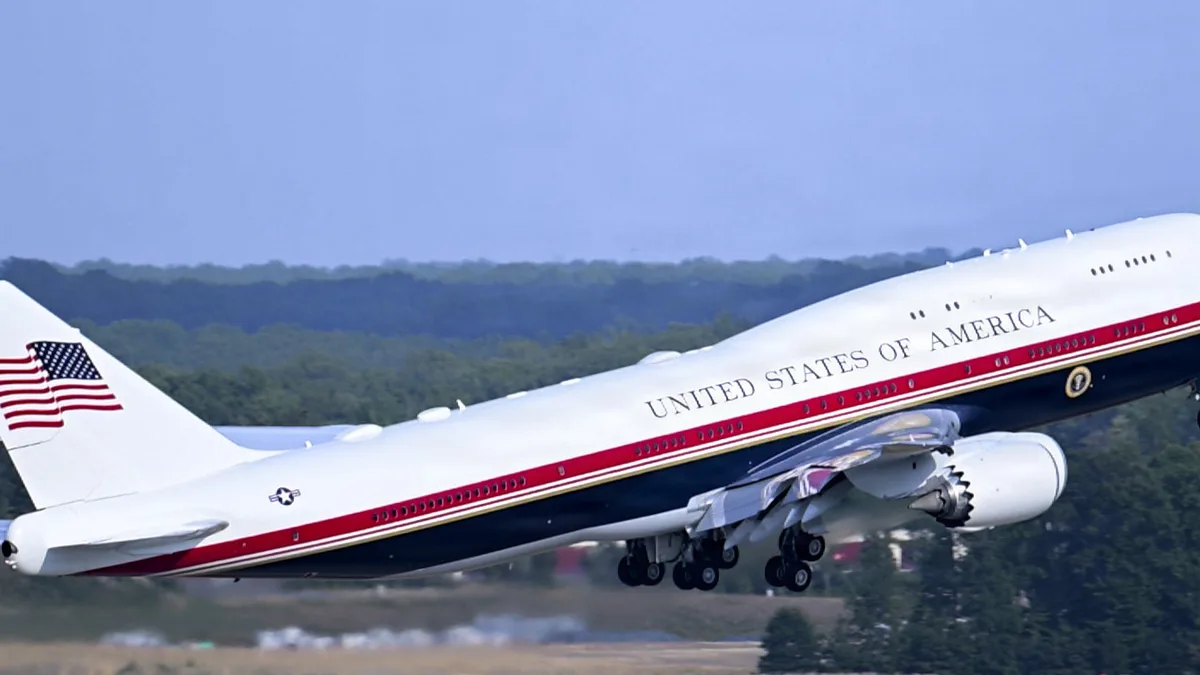
The Air Force 1 is a basketball sneaker that originated in the United States. It was designed by Bruce Kilgore and first released by Nike in the early 1980s. It was the first basketball shoe to feature Nike Air technology, which provided cushioning via a pressurized air unit in the sole. The shoe was named after the aircraft that carries the President of the United States, reflecting its intended premium status. Its initial release included both high-top and low-top versions aimed at on-court performance. The silhouette was briefly discontinued in the mid-1980s before being reissued due to sustained consumer demand, transitioning it from a performance model to a cultural staple.
What it is for
The Air Force 1 was originally engineered as a high-performance basketball shoe. Its primary functional purpose was to provide ankle support, court grip, and responsive cushioning for athletes. The encapsulated Air-Sole unit in the heel was a key innovation for impact protection during play. Over decades, its functional role has shifted almost entirely from athletic performance to casual wear. Today, it is predominantly used as a lifestyle sneaker, valued for its comfort and style rather than its sporting capabilities. The robust construction and non-marking rubber outsole still make it suitable for everyday use, but it is not recommended for competitive basketball by modern standards.
Best sneakers for Air Force 1
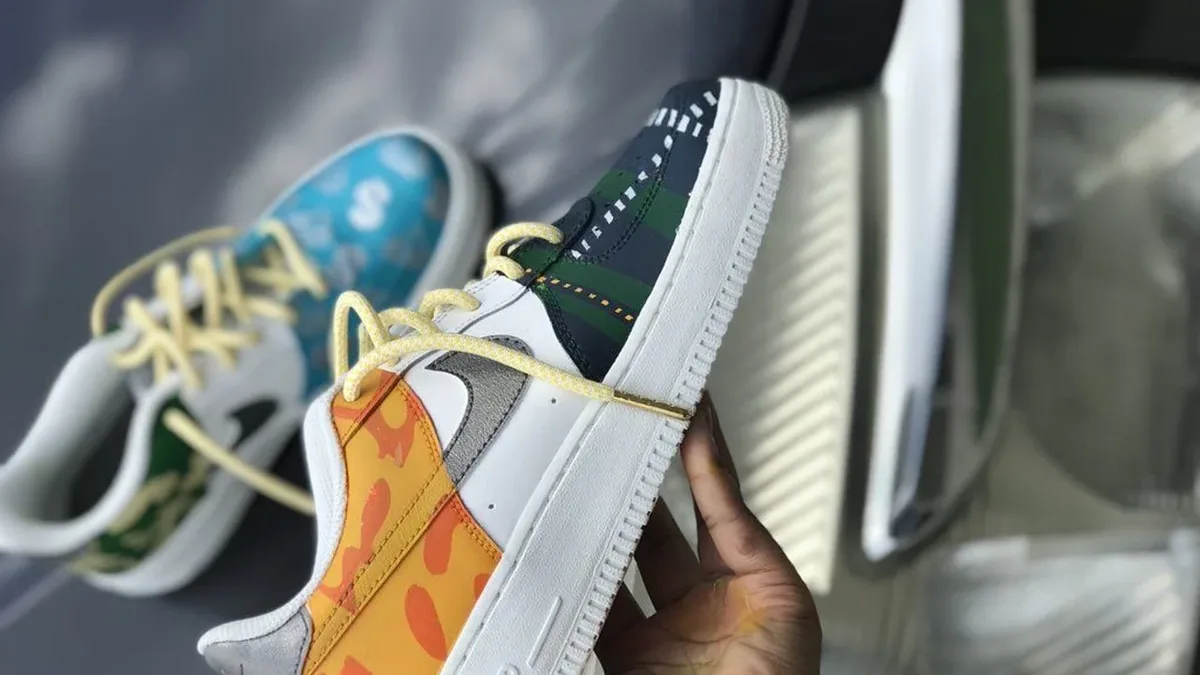
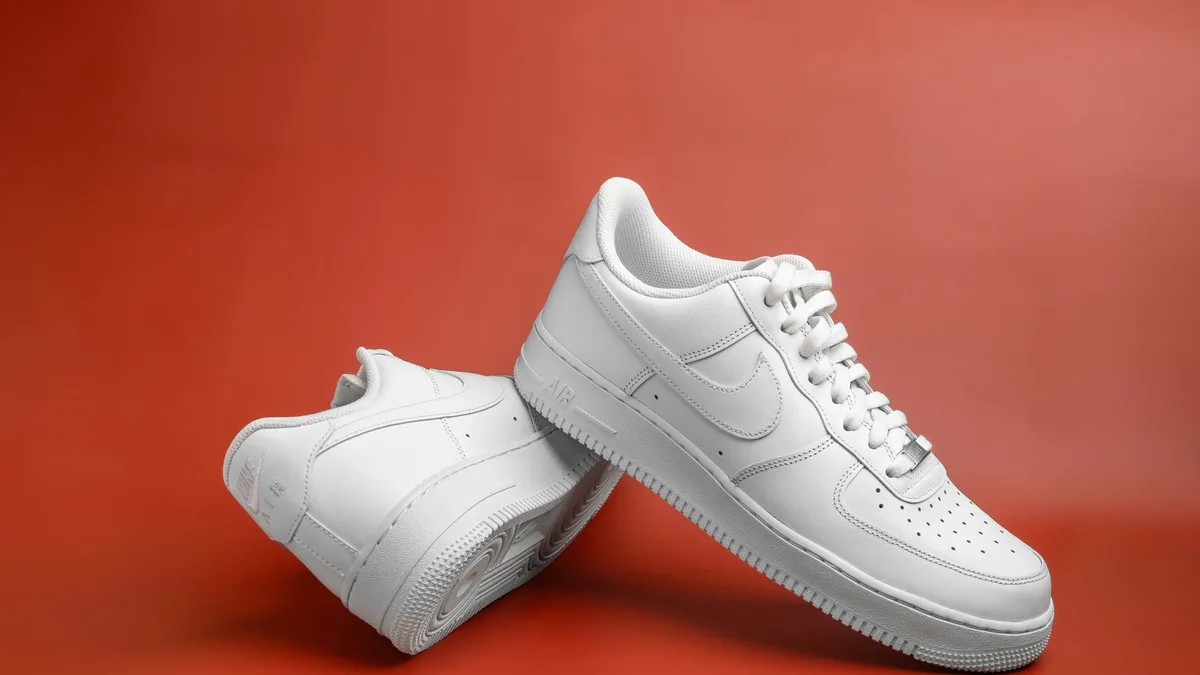
The concept of "best" for the Air Force 1 typically refers to the most iconic, influential, or sought-after iterations of the model. The all-white "White on White" colorway is universally considered the essential and purest expression of the sneaker. Collaborative versions with artists, designers, and brands like Travis Scott, Off-White, and Supreme often represent pinnacle releases due to their unique materials and design twists. The "Triple Black" and "Triple White" colorways are perennial favorites for their versatility and clean aesthetics. Special material editions, such as those utilizing premium leather, suede, or exotic textures, are highly regarded for their quality. Culturally significant releases like the "Linens" or "Year of the" series also hold a distinguished place in the model's history.
Overview
The Air Force 1 is a high-top or low-top sneaker characterized by its bulky, rounded silhouette and substantial midsole. Key identifying design elements include the perforated toe box, the rear heel strap, the circular inset on the tongue, and the prominent midsole pivot circle. The upper is traditionally constructed from durable leather, contributing to its weight and structured feel. A defining feature is the midsole, which houses the visible Air-Sole unit for cushioning. The outsole features a circular traction pattern and is typically made of solid rubber. This combination of design cues has remained largely consistent since its inception, making it one of the most recognizable sneaker shapes globally.
What to know
The Air Force 1 is known for its significant weight compared to modern sneakers, a result of its layered leather construction and dense rubber sole. Breaking in a new pair can be a process, as the stiff leather upper requires several wears to soften and conform to the foot. The sneaker runs true to size for most wearers, but the high-top version can feel restrictive around the ankle initially. Its versatility in style is a major asset, as it can be dressed up or down and works with a wide range of clothing. The white midsole and side panels are prone to creasing and scuffing, which many wearers consider part of the sneaker's character. Numerous sub-models exist, including the lighter-weight AF1 '07, the more streamlined AF1 Low Flyknit, and the platform-soled AF1 Sage.
Common questions
A common question is whether Air Force 1 sneakers are suitable for wide feet, and the general consensus is that the wide toe box provides adequate room for many. People often ask how to clean them, with recommendations for a soft brush, mild soap, and water for the leather, while avoiding machine washing. Many inquire about the difference between the various model codes like '07 or '17, which typically denote updates in materials, construction, or shape from the original. Another frequent question concerns the creasing of the toe box, which is an inevitable result of the leather construction and not a defect. Users also ask about the comfort level, which is generally high for casual wear after the break-in period but not comparable to modern athletic shoes with advanced foam technology. There is recurring curiosity about the origin of the name, which is confirmed to be a reference to the U.S. presidential aircraft.
Pros and cons
A significant pro is the Air Force 1's unmatched versatility and iconic style, which integrates seamlessly into countless wardrobes. Its durable construction, particularly in all-leather versions, means it can withstand years of regular wear with proper care. The availability in a vast array of colorways and collaborations offers something for nearly every taste. A primary con is its substantial weight, which some find cumbersome and uncomfortable for all-day wear or long walks. The stiff leather upper requires a notable break-in period that can cause initial discomfort, including blisters around the heel. A common mistake is using them for actual basketball or intense physical activity, where their dated technology and lack of support can lead to poor performance and potential injury.
Who it suits
The Air Force 1 suits individuals looking for a classic, statement sneaker with a robust and recognizable silhouette. The sneaker suits people who do not mind a heavier shoe and are willing to endure a short break-in period for long-term comfort. It is a strong choice for collectors and enthusiasts interested in the cultural history of sneakers and limited-edition releases. Due to its wide sizing and roomy toe box, it can accommodate a variety of foot shapes, including some with wider feet. It is less suited for athletes, minimalist style adherents, or anyone seeking a featherweight, flexible shoe for extensive physical activity.