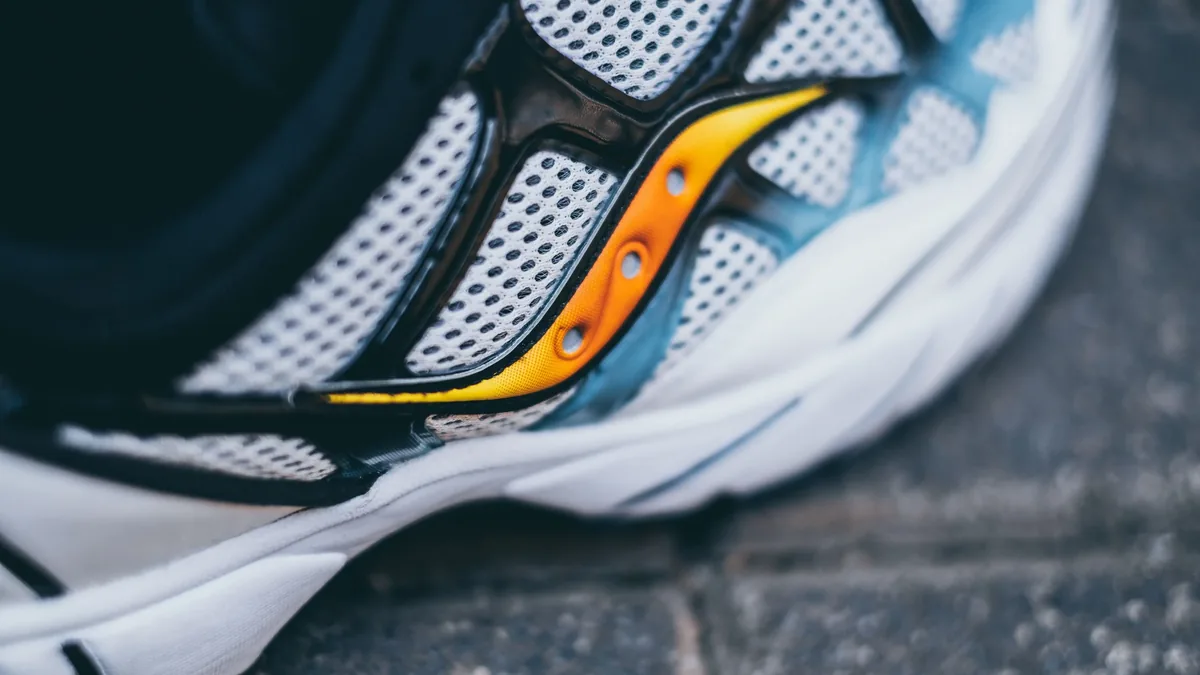
Running Shoes
| Silhouette | Running Shoes |
|---|---|
| Colourway | Recall |
| Release date | 2019 |
| Original use | Long-distance road running |
| Typical heel-to-toe drop | 8–12 mm |
| Midsole technology | Foam-based cushioning |
| Upper construction | Engineered mesh |
| Outsole material | Carbon rubber and blown rubber |
| Weight category | Lightweight to moderate |
Origin and history
The modern running shoe silhouette originates from the United States and the United Kingdom during the mid-20th century. Its development is directly tied to the post-war jogging boom and the formalization of running as a widespread recreational activity. Early iterations were simple adaptations of existing athletic shoes, often canvas or leather uppers with basic rubber soles. The 1970s marked a pivotal decade with the introduction of dedicated technical models featuring nylon uppers and waffle outsoles for improved traction. This period saw the establishment of key brands whose early designs defined the core architectural principles of the running shoe. The silhouette has since evolved through continuous material innovation and biomechanical research, diverging into distinct categories for different running disciplines.
What it is for
The primary function of the running shoe silhouette is to provide a protective and performance-enhancing interface between the foot and the ground during the act of running. It is engineered to manage the repetitive impact forces generated with each stride, thereby reducing stress on the musculoskeletal system. Specific design elements, such as midsole cushioning, are intended to attenuate shock and promote a smoother transition through the gait cycle. The structure of the heel counter and the torsional rigidity of the shoe aim to provide stability, controlling excessive foot motion that can lead to injury. The outsole pattern and rubber compound are designed for optimal traction on varied running surfaces, from roads to light trails. Ultimately, the silhouette serves to complement the runner's biomechanics, aiming to improve efficiency, comfort, and safety over extended distances.
Best sneakers for Running Shoes
This section addresses models widely recognized within the running community for defining or exemplifying the running shoe silhouette across different categories. For daily training and high mileage, models like the Asics Gel-Nimbus and the Brooks Ghost are frequently cited for their balanced cushioning and durability. For competition and speedwork, silhouettes such as the Nike Vaporfly series, with their integrated carbon fiber plates and responsive foams, have become benchmarks. For stability and motion control, the Brooks Adrenaline GTS and the Asics Gel-Kayano offer structured support without excessive weight. For trail running, the Salomon Speedcross and the Hoka Speedgoat provide aggressive lug patterns and protective features for off-road terrain. Minimalist or natural running is represented by shoes like the Vibram FiveFingers or the Merrell Vapor Glove, which prioritize ground feel over cushioning.
Overview
The running shoe silhouette is characterized by a set of consistent anatomical features designed around the dynamic function of running. A typical profile includes a raised heel stack for impact absorption, a beveled or rockered sole geometry to facilitate forward motion, and a flared heel for landing stability. The upper is constructed from engineered meshes or knitted materials for breathability and a secure, adaptive fit, often incorporating welded overlays for structure. The midsole, the most critical component, is comprised of polymer foams such as EVA or polyurethane, and may include embedded gel, air, or plate technologies for specific energy return properties. The outsole utilizes durable carbon rubber in high-wear areas and softer blown rubber for grip, with flex grooves to allow natural foot articulation. This combination of elements distinguishes it from static casual sneakers or shoes designed for lateral sports like basketball or tennis.
What to know
Selecting a running shoe requires understanding your individual biomechanics, particularly your foot strike pattern and degree of pronation, which often necessitates a gait analysis. The concept of "drop" or offset, the height difference between heel and forefoot, influences running posture and should be chosen with consideration for your running style and any lower-leg sensitivities. Shoe cushioning is not merely about softness; it involves a trade-off between impact protection and energy return, with highly cushioned shoes often sacrificing ground feel and responsiveness. It is crucial to size running shoes with adequate space, approximately a thumbnail's width, beyond the longest toe to accommodate foot swelling and dynamic splay during running. The category of shoe must also match your primary running surface, as road and trail silhouettes differ substantially in outsole traction and upper protection.
Common questions
A common question is whether more expensive running shoes are inherently better, to which the answer is that cost often correlates with advanced materials and lighter weight, but the most important factor remains proper fit and suitability for your specific needs. Many runners ask if they need a stability shoe, which is generally recommended only for those with moderate to severe overpronation, as unnecessary stability features can disrupt a neutral runner's natural gait. People often inquire about the necessity of rotating between multiple pairs of shoes, a practice supported by evidence suggesting it can vary stress patterns and potentially reduce injury risk. The question of transitioning to minimalist or barefoot-style shoes arises frequently, and it is widely advised that any such transition must be undertaken with extreme gradualism to avoid stress injuries. Runners also commonly ask how to tell when shoes are worn out, with key indicators being loss of midsole resilience, uneven wear patterns, and the onset of new or recurrent aches after runs. Finally, the difference between running shoes and cross-trainers is often queried, with the critical distinction being that cross-trainers are designed for multi-directional gym movements, not the repetitive forward motion of running.
Pros and cons
A primary pro of the specialized running shoe silhouette is its targeted engineering, which can demonstrably reduce impact-related injuries and enhance running economy for many individuals. The variety of available categories allows for precise matching to a runner's biomechanics, weight, preferred distance, and terrain. However, a significant con is the potential for creating dependency on specific support or cushioning technologies, which may lead to weakening of the foot's intrinsic musculature over time. Runners often regret choosing shoes based solely on brand loyalty or aesthetics, a common mistake that leads to poor fit and discomfort. The complexity of modern shoes, with aggressive rockers or rigid plates, can also introduce new injury risks, such as calf or Achilles strain, for runners not conditioned for them. Furthermore, the environmental impact of frequently replacing high-tech, non-biodegradable footwear presents a growing ethical and practical concern.
Who it suits
The traditional cushioned running shoe silhouette suits the majority of recreational and long-distance road runners, particularly those seeking consistent shock absorption and comfort over many miles. Stability-oriented models are suited for runners with a documented tendency toward overpronation who require medial support to align their gait cycle. Highly cushioned, maximalist shoes suit heavier runners or those recovering from impact-related injuries, as well as runners prioritizing comfort on hard surfaces. Lightweight racing flats and super shoes with embedded plates suit competitive athletes and experienced runners seeking marginal gains in speed and efficiency over shorter distances. Conversely, the standard running shoe silhouette is less suited for individuals whose primary activities involve lateral movement, weightlifting, or casual wear, as its design compromises durability and stability in those contexts. It is also generally unsuitable for technical trail running unless specifically designed for that purpose, due to lack of appropriate traction and protection.
Latest Running Shoes news
Latest reporting
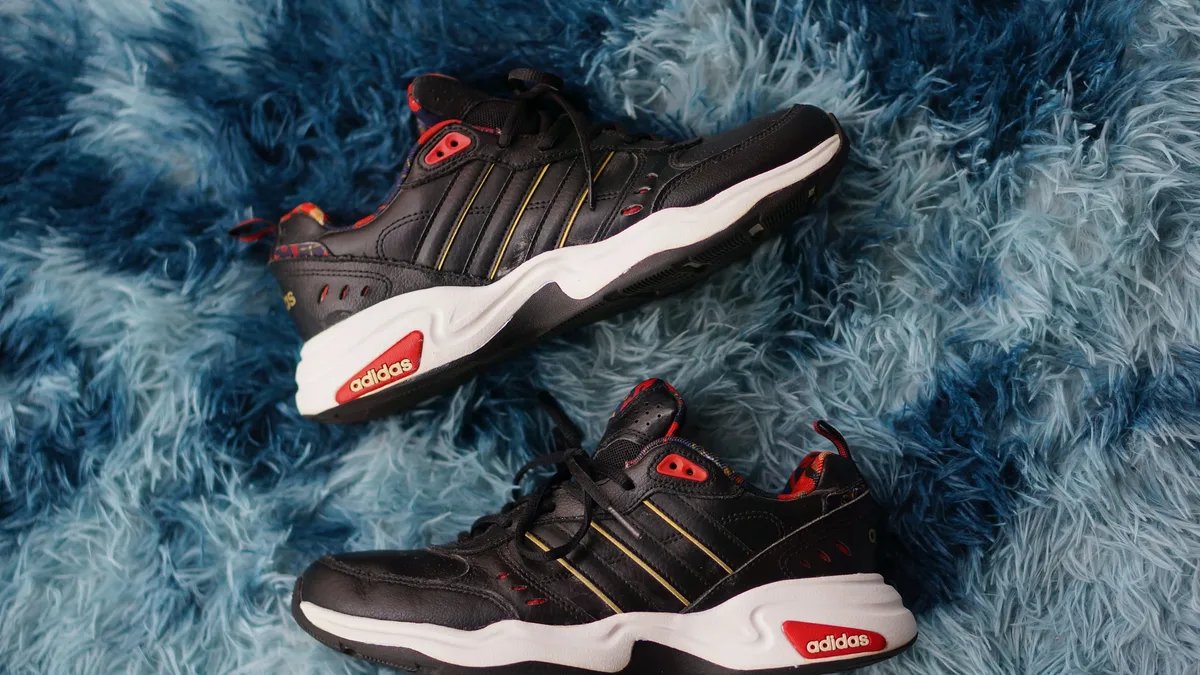
Adidas Adizero EVO SL Zip Merges Running Tech
Adidas releases the Adizero EVO SL Zip, a running shoe with a zippered shroud designed for both performance and street style.
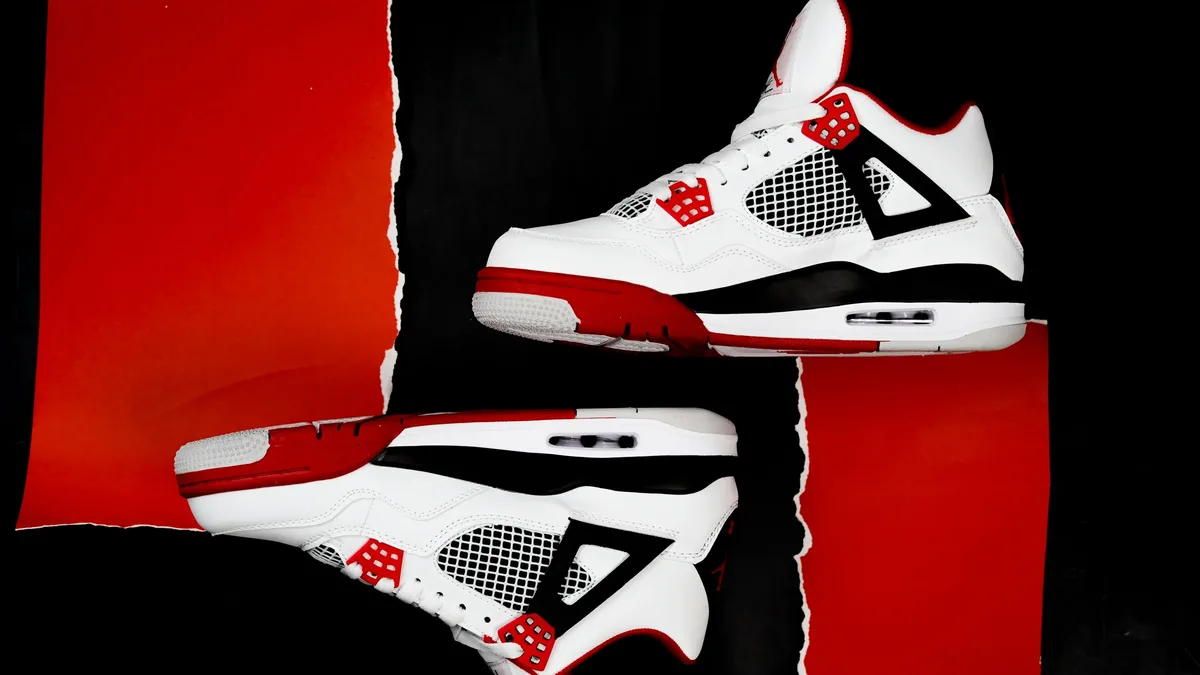
Norda and Black Diamond Launch 000 Trail Shoe and Gear
Norda and Black Diamond have launched a collaborative collection built around the new norda 000 trail running shoe.
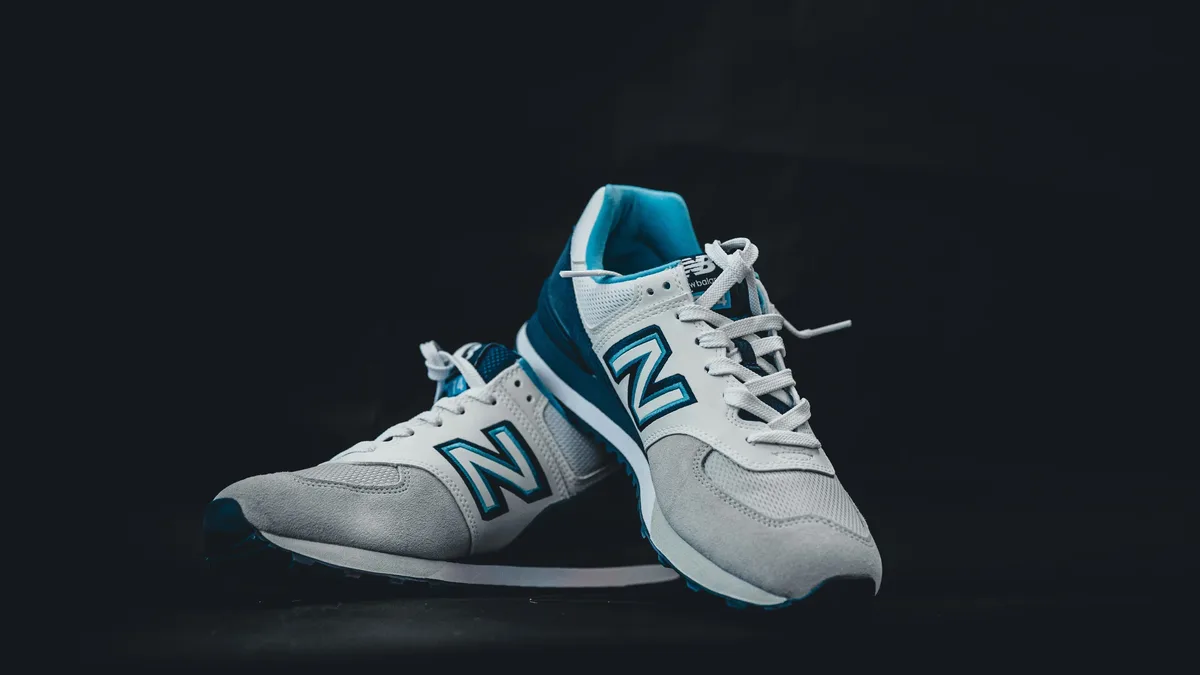
New Balance 983 Debuts as Lifestyle Shoe
New Balance unveils the 983 sneaker, inspired by 2000s running designs. The Shadow Blue/Zinc Blue model launches October 1 for $160.
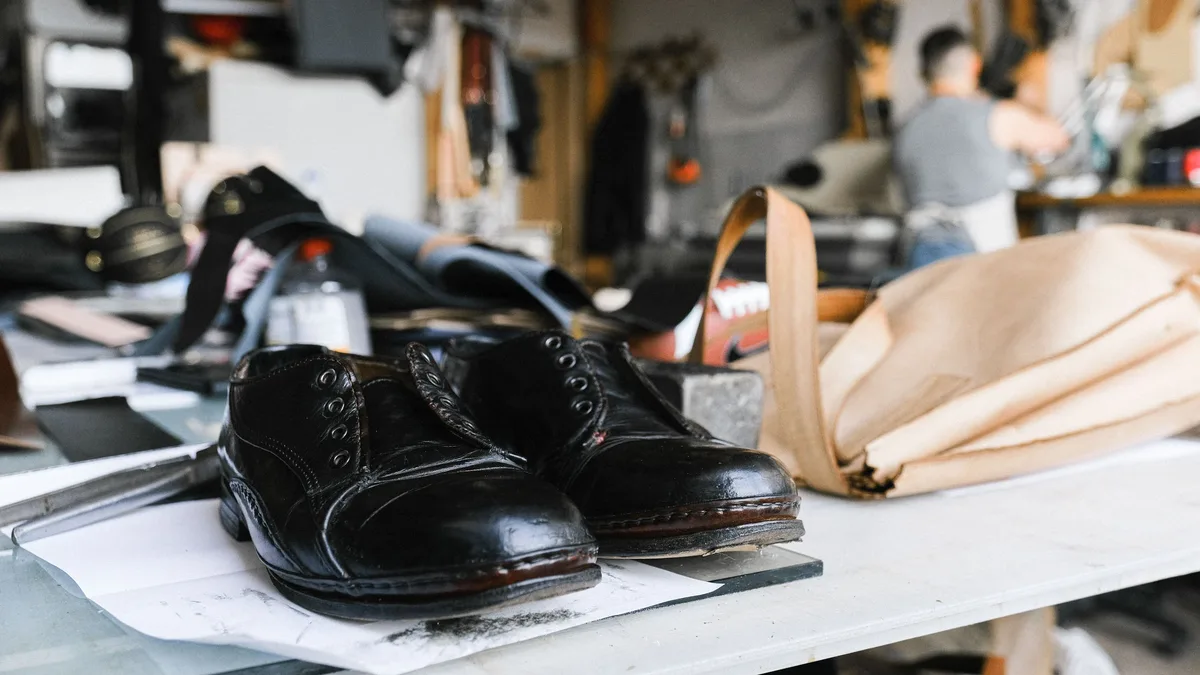
Artek x Hender Scheme Launch Furniture Shoes
Artek and Hender Scheme have collaborated on leather 'shoes' for iconic stools and tables. The collection launches globally in October.
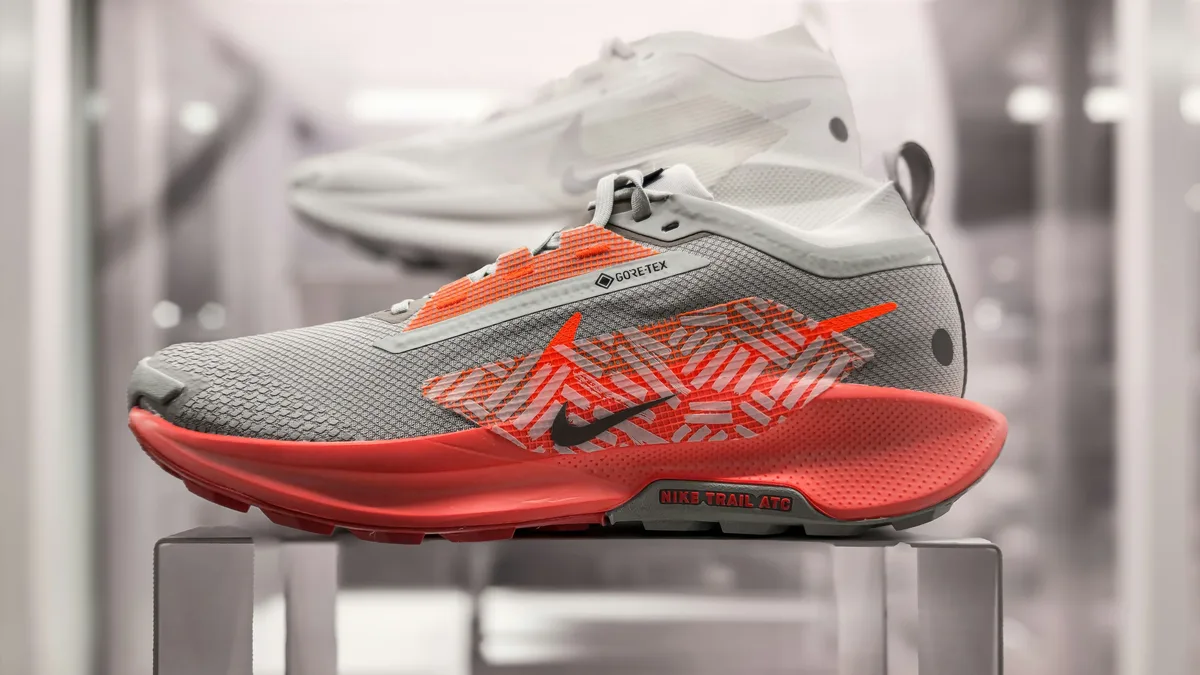
Nike Pegasus Plus 2 Adds Visible Air Zoom
Nike's new Pegasus Plus 2 running shoe launches September 3rd for $170. It combines a full ZoomX foam midsole with a new, curved visible Air Zoom...

A$AP Rocky's Puma Straycat Collaboration Takes Motorsports Inspiration to New Heights
The latest collaboration between A$AP Rocky and Puma brings motorsports-inspired design to the forefront, showcasing the rapper's unique perspective...