
Converse
| Silhouette | Converse |
|---|---|
| Original use | Athletic footwear (basketball) |
| First created | 1910s |
| Country of origin | United States |
| Key feature | Rubber toe cap, canvas upper, diamond-pattern outsole |
| Typical closure | Lace-up |
| Common variations | High-top, low-top, platform |
Origin and history
Converse originates from the United States, founded in the early 20th century. The company initially produced rubber-soled footwear for a range of practical purposes, including winter and work footwear. Its most famous silhouette, the All Star, was introduced as a basketball shoe in the 1910s. The design was significantly popularized in the 1920s by basketball player and ambassador Chuck Taylor, whose signature was later added to the ankle patch. Throughout the mid-20th century, the canvas and rubber shoe became synonymous with American sport and casual wear. The brand's widespread adoption by various subcultures, from rock musicians to artists, cemented its status as an enduring cultural icon beyond its athletic origins.
What it is for
The classic Converse silhouette, characterized by its canvas upper, rubber toe cap, and diamond-pattern outsole, is designed for casual, everyday wear. Its original purpose was as a functional athletic shoe for indoor court sports like basketball, providing flexibility and grip. Modern iterations are primarily lifestyle footwear, valued for their simple, versatile aesthetic that pairs with a wide range of clothing styles. The flat, unstructured design offers a close-to-the-ground feel rather than cushioned support for prolonged standing or high-impact activities. The materials and construction prioritize durability and a distinctive, broken-in look over technical performance features. It serves as a canvas for personal expression, often customized or chosen in specific colorways to reflect individual style.
Best sneakers for Converse
The Converse Chuck Taylor All Star, in both high-top and low-top versions, is the definitive and best-known sneaker for the brand's signature silhouette. The Chuck 70 model offers a premium construction variant with denser rubber, thicker canvas, and enhanced cushioning that references earlier archival designs. The One Star model, with its distinctive single star logo and suede upper, represents a key alternative silhouette popular within skate and grunge cultures. The Jack Purcell, characterized by its signature "smile" on the toe cap, provides a more refined, laceless option within the Converse lineage. The Run Star Motion and Hike models demonstrate contemporary adaptations, incorporating platform soles and rugged outsoles while retaining core Chuck Taylor design cues. For performance-oriented wear, the Converse All Star Pro BB represents a modern basketball shoe that visually references the classic silhouette with updated materials.
Overview
The Converse silhouette is an archetypal sneaker defined by a minimal canvas or leather upper, a contrasting rubber toe cap, and a wrap-around rubber outsole. Its design language is consistently applied across most models, creating immediate brand recognition through elements like the medial-side circular patch and the toe bumper. The shoe's construction is relatively simple, often featuring a canvas upper stitched to a rubber midsole, which contributes to its characteristic flat profile and firm feel. Colorways range from foundational black and white to extensive seasonal and collaborative palettes that drive collector interest. The silhouette's longevity is underpinned by its adaptability, serving as a base for countless limited editions and collaborations with designers, artists, and brands. It exists as a style staple that transcends generations and fashion cycles, maintaining its identity through consistent core design principles.
What to know
The fit of classic Converse sneakers, particularly the All Star, is notably long and narrow, and many wearers find they need to size down for a proper fit. The canvas uppers provide minimal stretch and often require a break-in period, during which they mold to the shape of the foot. The traditional construction lacks substantial arch support or heel cushioning, which can lead to discomfort during extended wear or for those with specific orthotic needs. The rubber toe cap is prone to creasing and can separate from the canvas over time with heavy use, which some consider part of the shoe's character. Authentic pairs feature specific detailing, such as the alignment of the toe cap stitching and the quality of the ankle patch, which are points of reference for verifying legitimacy. Care involves simple spot cleaning with mild soap, as machine washing can degrade the adhesive bonding the rubber to the canvas.
Common questions
A common question is whether Converse sneakers are suitable for wide feet, and the general consensus is that the standard models run narrow, though some wider-fitting versions have been released periodically. People often ask about the difference between the standard Chuck Taylor All Star and the Chuck 70, with the latter featuring a higher rubber foxing, thicker cushioning, and more durable materials. Many inquire about how to prevent the heel tab from causing blisters, which is typically addressed by wearing higher socks or allowing the stiff canvas to soften through wear. A frequent question concerns the orthotic-friendliness of the shoes, and while the removable insole provides some space, the flat footbed limits the depth available for custom inserts. Wearers commonly ask how to clean and maintain the white rubber sides, which yellow over time due to oxidation, a process that can be slowed with specialized cleaners but not entirely prevented. Another regular inquiry is about the water resistance of the shoes, and the answer is that the canvas uppers are not waterproof and will readily absorb moisture in wet conditions.
Pros and cons
Pros include the silhouette's timeless and versatile aesthetic, which integrates seamlessly into diverse wardrobes from casual to smart-casual contexts. The shoes are relatively affordable within the sneaker market and offer a high degree of durability for everyday casual use. Their simple construction and iconic status make them a perennial favorite for customization and personal expression. A significant con is the lack of substantial arch and heel support, which can lead to foot fatigue, arch pain, or plantar fasciitis for wearers who require more structured footwear. The narrow fit and non-stretchy canvas can cause discomfort and pressure points, particularly during the initial break-in period, frustrating those with wider feet. Common regrets involve wearing them for long periods of walking or standing, where their minimal cushioning becomes a notable drawback, and the tendency for the rubber toecap to separate from the canvas after years of wear.
Who it suits
The Converse silhouette suits individuals seeking a classic, uncomplicated sneaker with a proven historical and cultural pedigree. It is well-suited for those with neutral to narrow foot widths who do not require significant arch support or cushioning in their daily footwear. The shoe appeals to people valuing versatile style over technical performance, easily pairing with jeans, chinos, dresses, and various subcultural fashion uniforms. It is a strong choice for wearers interested in fashion collaborations and limited-edition releases, as the simple canvas serves as an ideal design canvas. The silhouette is less suitable for individuals with wide feet, high arches, or those who plan to be on their feet for many consecutive hours requiring supportive footwear. It ultimately suits those who appreciate a broken-in, lived-in aesthetic and accept that signs of wear are part of the shoe's intended character and story.
Latest Converse news
Latest reporting
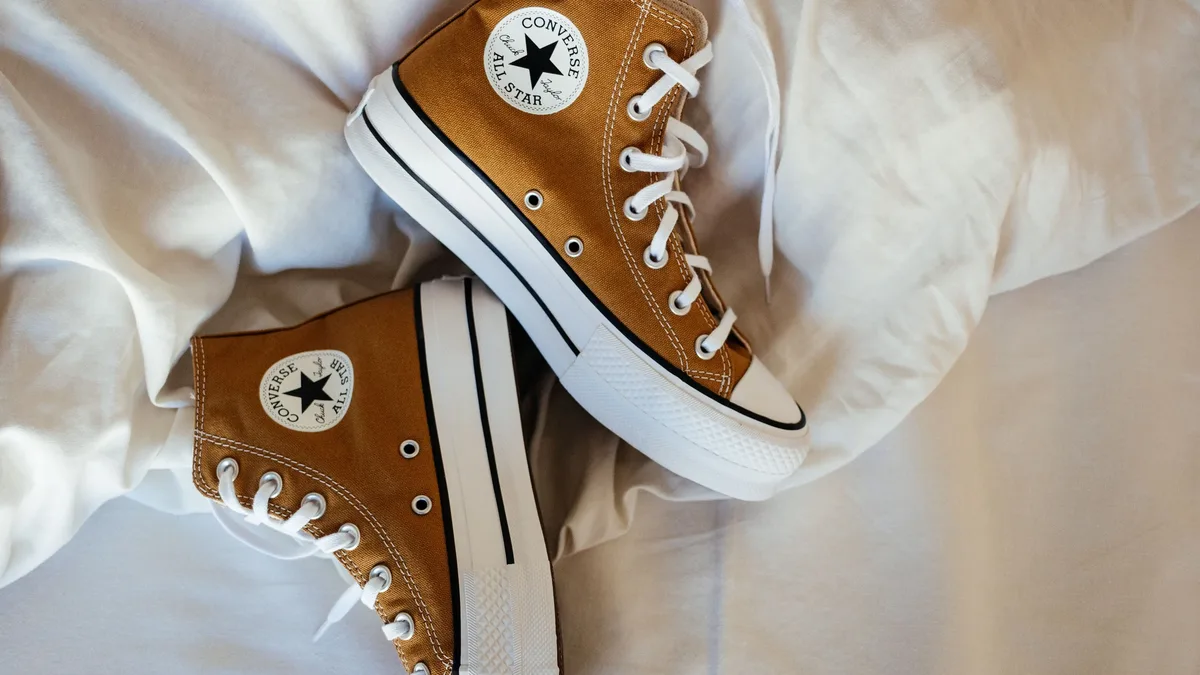
Tyler, The Creator Expands 1908 Converse Collection
Tyler, The Creator's 1908 collection with Converse launches globally on November 12, introducing suede-focused versions of the Bronco Boot Low, Pro...
Converse and Nike Elevate the Heeled Trainer Trend
A look at the rise of heeled trainers from major sportswear brands and a niche winterwear collaboration focused on all-black fabrics.

nonnative and Converse Bring Back the All Star GORE-TEX Centerzip Ox
The collaboration between nonnative and Converse re-releases the All Star GORE-TEX Centerzip Ox in an ivory colorway, featuring waterproof GORE-TEX...
Noah x Converse Jack Purcell 1935: A Japan-Exclusive Plaid Collaboration
Noah has teamed up with Converse for a Japan-exclusive iteration of the iconic Jack Purcell, celebrating the shoe's 90th anniversary with a unique...