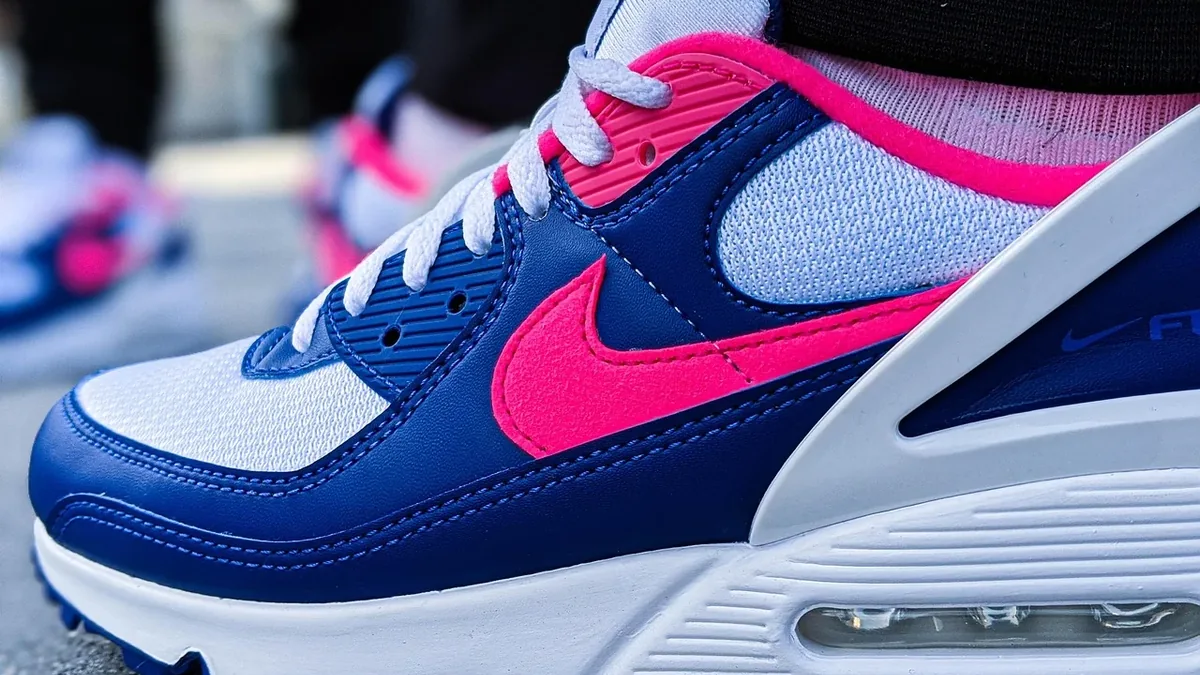
Air Max
| Silhouette | Air Max |
|---|---|
| First created | 1987 |
| Country of origin | United States |
| Original use | Running |
| Key feature | Visible Air unit |
| Designer | Tinker Hatfield |
| Notable model | Air Max 1 |
Origin and history
The Air Max silhouette originated in the United States, created by Nike, Inc. Its development was led by designer Tinker Hatfield. The foundational model, the Air Max 1, introduced visible Nike Air cushioning to the public. This was achieved by placing the polyurethane Air unit within a window in the midsole. The technology itself, Nike Air, was invented by aerospace engineer Marion Frank Rudy in the late 1970s. The visible Air unit was both a technical feat and a bold design statement that defined a new category.
What it is for
The primary function of the Air Max silhouette is to provide enhanced cushioning for athletic and casual wear. It was engineered to offer impact protection, particularly for the heel, during running and other physical activities. The visible Air unit compresses under pressure to absorb shock before returning to its original shape. Over time, the design has evolved to include full-length Air units and varied pressure configurations for different performance needs. While early models were promoted for running, the line has become predominantly a lifestyle and fashion product. The silhouette is now worn primarily for its distinctive aesthetic and cultural significance rather than competitive sport.
Best sneakers for Air Max
Notable models within the Air Max lineage include the Air Max 1, which established the visible Air window design language. The Air Max 90 refined the original with a larger Air unit and accentuated overlays. The Air Max 95 introduced a radical, layered design and a front-to-back Air unit inspired by the human spine. The Air Max 97 utilized a full-length Air unit and a sleek, wave-inspired upper design. The Air Max 270 was developed as a lifestyle model focusing on a tall, prominent heel Air unit for maximum visual impact. The Air Max 720 extended this concept further with the tallest Air sole to date, offering a 360-degree visible Air window.
Overview
The Air Max silhouette is characterized by the external visibility of its Nike Air cushioning technology embedded in the midsole. It represents a continuous series of sneakers rather than a single static model, with each iteration updating the design. Key design elements often include layered or mesh uppers, plastic details around the Air unit, and robust outsoles. The line has consistently pushed the boundaries of Air unit size, shape, and placement over decades. It holds a pivotal place in sneaker culture due to its annual "Air Max Day" celebration and frequent collaborative releases. The silhouette's identity is equally tied to its performance heritage and its status as a streetwear icon.
What to know
The visibility of the Air unit is not merely cosmetic; a compromised window can lead to decreased cushioning and potential unit rupture. Earlier models often featured smaller Air units and may feel firmer underfoot compared to modern, maximalist designs. The sizing and fit can vary significantly between different Air Max models due to changes in last shape and upper materials. While durable, the exposed Air bubbles are susceptible to yellowing and clouding over time from oxidation and UV exposure. Many sought-after colourways and materials are released in limited quantities, influencing their collectible value. The line is supported by a vast ecosystem of repair and restoration services specializing in Air unit replacement and sole re-bonding.
Common questions
A frequent question is whether the Air unit can be popped; the units are pressurized and durable, making a puncture from normal wear highly unlikely. People often ask about the difference between Air Max and other Nike Air models, with the key distinction being the visibly exposed Air cushioning. Many inquire about the comfort level, which varies by model, with some prioritizing a firm, stable ride and others focusing on plush, maximum cushioning. Collectors commonly question how to verify authenticity, noting that precise stitching, quality of materials, and accurate Air unit construction are primary indicators. A recurring question concerns cleaning methods, with specific advice to avoid harsh chemicals on the Air unit to prevent cracking or clouding. Users also ask about the environmental impact, noting Nike's ongoing efforts to incorporate recycled materials into newer Air Max models.
Pros and cons
A significant advantage is the enduring cushioning provided by the sealed Air units, which can retain their responsiveness for years with proper care. The iconic, chunky aesthetic offers a distinctive look that has maintained cultural relevance across decades. A common drawback is the weight, as many models are substantially heavier than contemporary performance or minimalistic sneakers. Some wearers regret choosing certain models for all-day wear or extensive walking, as the raised heel and specific pressure points can cause discomfort for some foot types. The exposed Air unit, while a visual signature, is a vulnerability; it can be compromised by sharp impacts or extreme cold, leading to a complete loss of cushioning. A frequent mistake is selecting a model based solely on appearance without considering its specific fit profile, leading to issues like heel slippage or cramped toe boxes.
Who it suits
The Air Max silhouette suits individuals prioritizing bold, statement footwear with a strong design heritage over minimalist or discreet styles. It appeals to sneaker enthusiasts and collectors interested in the historical evolution of athletic footwear design and technology. The line is well-suited for casual, everyday wear where impact protection and a stable platform are desired, though not for serious running. Certain models with broader bases and ample cushioning can be appropriate for people who spend long hours standing. It is less suited for those seeking lightweight, flexible footwear or for activities requiring precise foot-to-ground feedback. The aesthetic also resonates with fashion-oriented wearers who integrate athletic-inspired looks into their style, valuing the variety of colourways and material options.