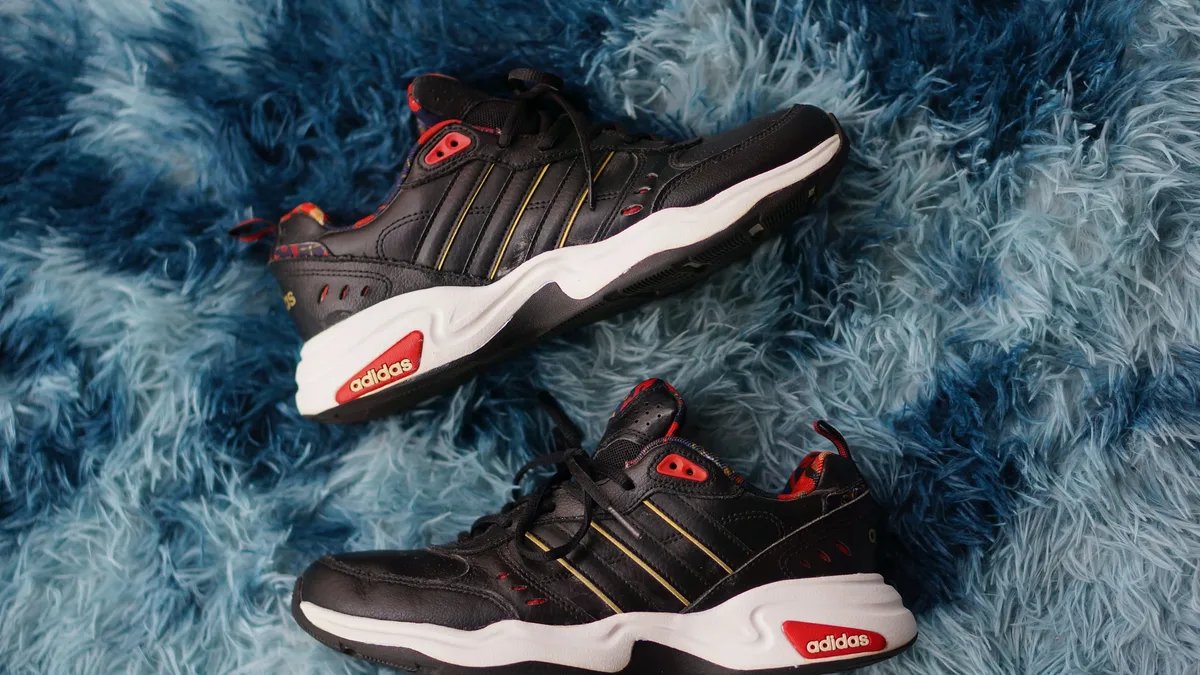
Adizero
| Silhouette | Adizero |
|---|---|
| First created | 2010s |
| Original use | Competitive road racing |
| Typical weight | Lightweight |
| Construction | Carbon plate technology |
| Upper material | Engineered mesh |
| Midsole foam | Lightstrike Pro (typical) |
Origin and history
Adizero originates from Germany, created by the sportswear company Adidas. The line was first launched in the early 2000s, with its development intensifying throughout that decade. Its creation was a direct response to the growing demand for lighter, more efficient footwear in competitive running. The project involved extensive research into materials and biomechanics to reduce weight without sacrificing necessary structure. The name itself, "Adizero," clearly communicates the primary design goal of minimizing weight towards zero. Early iterations were seen in professional marathon racing, where athletes provided critical feedback for refinement.
What it is for
The Adizero line is engineered for competitive running and high-speed athletic performance. Its core purpose is to provide a lightweight, responsive platform that promotes faster race times. These shoes are specifically designed for events from the 5k to the marathon distance, where every gram matters. The construction prioritizes energy return and forward propulsion over cushioning for recovery or daily training. The design philosophy extends to minimizing material overlap and using thin, engineered meshes to reduce overall weight. This focus makes them unsuitable for general jogging or casual wear, as their durability and support are calibrated for race-day intensity.
Best sneakers for Adizero
The Adizero Adios Pro series is widely recognized for its incorporation of advanced energy-return technology and a rigid carbon fiber plate. The Adizero Takumi Sen is favored for shorter road races and interval work due to its aggressive geometry and snappy responsiveness. The Adizero Prime series has served as a foundational racing flat, offering a minimalist, ground-contact feel for efficient runners. Historically, models like the Adizero Sub2 were developed in direct collaboration with elite athletes for marathon-specific conditions. Each model within the line serves a distinct purpose, from marathon racing to track sessions. The continual evolution of these models reflects ongoing material innovation and biomechanical research.
Overview
Adizero represents a dedicated family of performance running footwear within the Adidas catalog. The silhouette is consistently characterized by a streamlined, often asymmetrical upper and a tapered heel. A defining technological feature across many models is the integration of a carbon fiber or energy-rod propulsion system within the midsole. The outsole typically uses high-abrasion rubber only in critical wear zones to further reduce weight. The overall aesthetic is functional and technical, with colorways often highlighting the shoe's structural elements. It is a system of components working in concert to achieve a single objective: speed.
What to know
Adizero shoes generally have a narrower fit and a lower volume interior compared to standard training shoes. The midsole foams, while responsive, often sacrifice some plushness and durability for the sake of lightness. The carbon fiber plates can create a stiff, rocker-like feel that requires a period of adaptation for most runners. These shoes are not intended for high-mileage training; their lifespan is typically measured in race kilometers rather than general training miles. The price point for the technology is positioned at the premium end of the running market. Choosing the correct model requires an honest assessment of one's running gait, race distance, and experience with minimalist footwear.
Common questions
A common question is whether Adizero shoes are suitable for daily training, to which the answer is generally no due to their specialized construction and limited durability. Runners often ask about the difference between the various Adizero models, which hinges on the intended race distance and the level of cushioning. Many inquire if a carbon plate is necessary, which depends on the runner's goals and biomechanics, as it primarily aids efficiency at higher speeds. Questions about sizing are frequent, with most advice recommending trying the shoes on, as fit differs significantly from cushioned trainers. Another recurring question concerns the break-in period, which is minimal but requires acclimatization to the aggressive geometry. Users also ask about the compatibility of these shoes with orthotics, which is often limited due to the minimal internal volume.
Pros and cons
A significant pro is the tangible reduction in weight, which can decrease leg fatigue over long races and promote a quicker turnover. The energy return from the advanced midsole foams and plate systems can improve running economy for well-conditioned athletes. The cons include a high cost for a product with a relatively short functional lifespan, often wearing out after one or two marathon cycles. The common mistake is purchasing them for their speed reputation without the requisite foot strength or running form, leading to discomfort or injury. Many runners regret choosing an Adizero model for daily mileage, as the firm ride and lack of cushioning can lead to premature leg soreness. The aggressive fit can cause blistering or hot spots for runners with wider feet, making a thorough fitting essential.
Who it suits
Adizero shoes suit competitive road racers targeting personal bests over standard distances from 5k to the marathon. They are appropriate for experienced runners with efficient gaits who can handle lower levels of cushioning and a pronounced propulsion feel. Lightweight runners with narrower feet often find the fit and geometry particularly complementary to their biomechanics. They are also suited for athletes who use a rotation of shoes, reserving the Adizero for key workouts and race days only. They are less suitable for beginner runners, those requiring substantial stability features, or individuals seeking a versatile shoe for mixed athletic and casual use. Ultimately, they are a tool for runners whose primary performance metric is time.