Bérangère Fromont's République Portrays
Photographer Bérangère Fromont's new book and exhibition, République, presents elegant portraits of the young skateboarders inhabiting Paris's Place de la République.
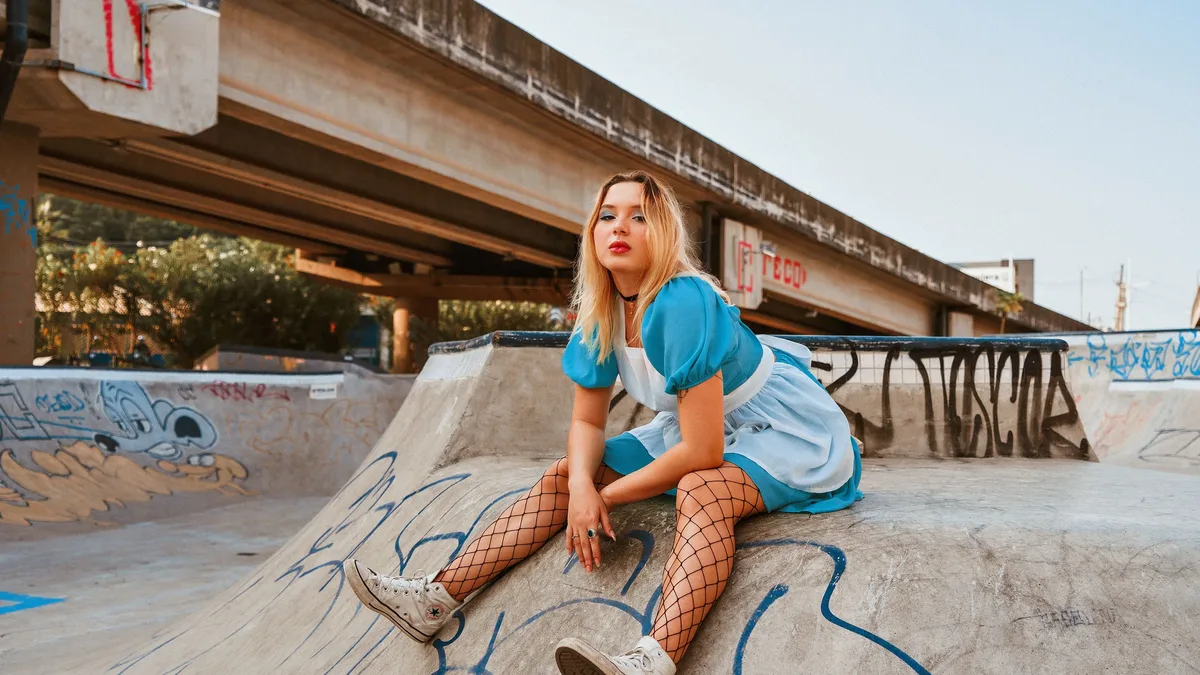
Photographer Bérangère Fromont has released a photo book and exhibition titled République, focusing on the young skateboarders of Paris's Place de la République. The project, which took three years to complete using a medium-format Mamiya film camera, presents the skaters as the 'Princes of the Square,' according to Fromont's statement to Dazed.
For over a century, the Place de la République has been a focal point for Parisian protests and celebrations, from jubilant World Cup parties to marches for Black Lives Matter. Fromont's series, however, shifts attention from political spectacles to the skateboarders who are a constant presence there. Spending time there, she said, she quickly realised they are its main inhabitants, in that they're always present, no matter what's going on in the city or the world.
The notion of resistance is a recurring theme in Fromont's work. In République, she finds it in the skaters' act of repurposing public structures for playful, non-commercial use and in their embrace of gentleness. Given all the uncertainty youths currently face about the future, she explained, choosing gentleness is a radical act. She describes their engagement as a quieter, more poetic resistance expressed through lifestyle, rather than through raised fists or shouted slogans.
Her tightly framed, chiaroscuro portraits bathe meditative faces and bruised torsos in harsh summer light. The images aim to evoke both grace and vulnerability, capturing a contrast between visible scars and melancholic gazes against postures of nonchalance and self-assuredness.
Fromont's process was physically and mentally demanding. She shot on film with a hefty camera and a 50mm lens under a blazing sun, often in 40-degree Celsius weather. She describes returning daily with four kilos of equipment on her back as a struggle, especially during periods when she failed to capture a compelling image for weeks.
She compares this 'failure-plagued' process to the experience of the skateboarders themselves, whose persistence mirrors an athlete's dedication to recovery. As a photographer, she explained, all these variables - sunlight, subject movement, camera mechanics, sheer luck - need to align, and the same goes for them. The skaters' persistence in dusting themselves off after wipeouts and trying again fueled her own determination to keep returning to the square.
The photographer deliberately sought a visual harmony between her subjects and the square's existing bronze figures and stone statues. Her stark lighting sculpts the skaters' expressive features, drawing out a timeless, marble-like quality in their faces and bodies. It's her way of saying that this beauty really exists, she recalled. It's not fabricated; she simply captured it.
Her portraits recall the work of chroniclers of adolescence like Gus Van Sant and British photographer Paul Graham. A key difference lies in Fromont's complete eschewal of posed portraiture, opting instead to crop wide-angle shots in post-production to isolate and enlarge compelling details.
The République photo book is published by Chose Commune and is available now. An accompanying exhibition will be held at the Institut pour la Photographie in Lille from 18 September 2026 to 16 January 2027.